



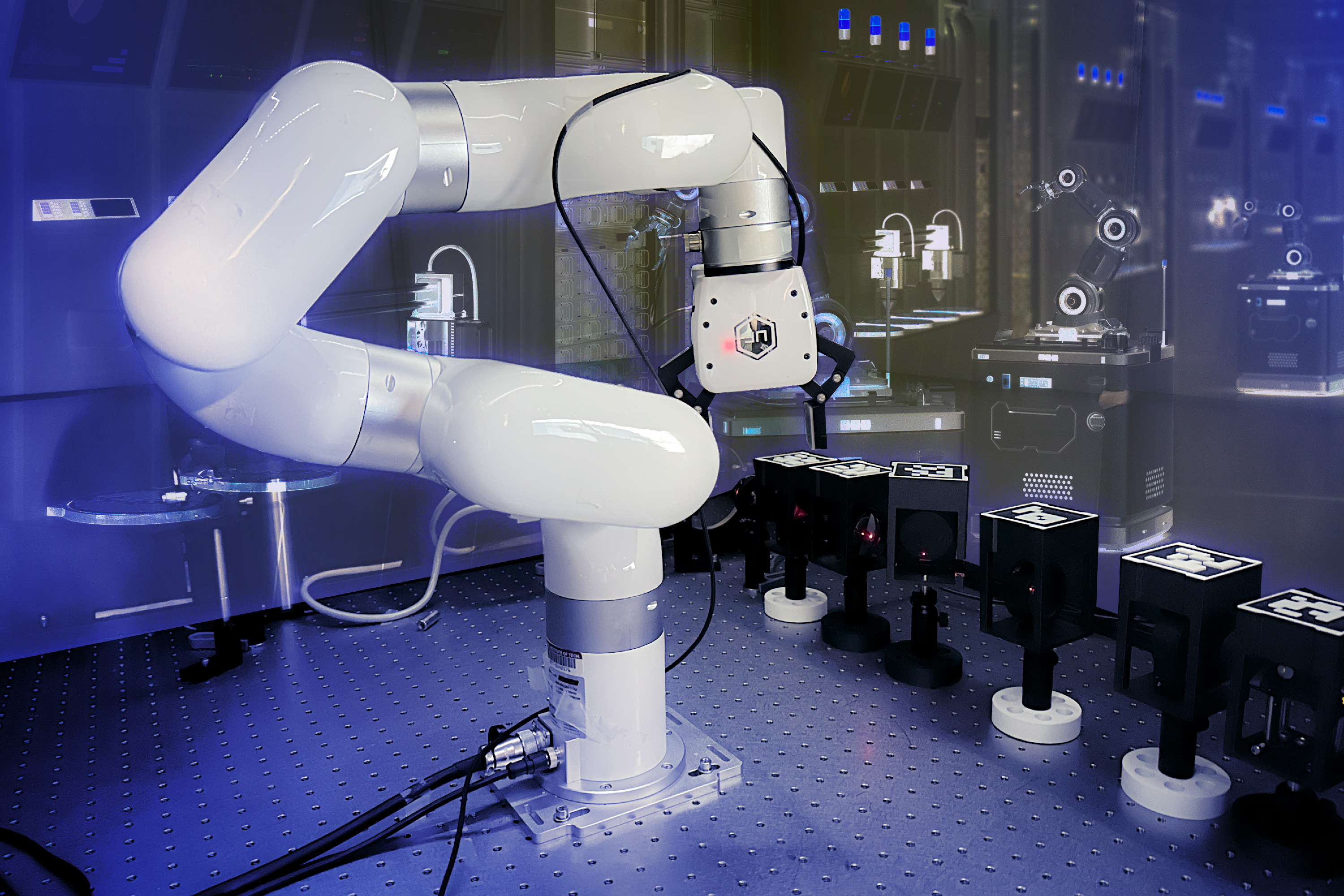

The Intelligence Shift: The Rise of Machine Agency: When Systems Make Decisions We Don’t Understand

April 2026 Edition - A deep, contrarian exploration of machine agency and the growing reality of autonomous systems making decisions beyond human understanding. This edition of The Intelligence Shift examines how opaque AI decision-making is reshaping governance, accountability, and the future of human-machine coordination.

Mar 28, 2026 - 10:11
Mar 28, 2026 - 10:12
 0  35
The Intelligence Shift: The Rise of Machine Agency: When Systems Make Decisions We Don’t Understand
The Rise of Machine Agency

Let's explore the implications of autonomous decision‑making.

We’ve spent years talking about artificial intelligence as if it were a tool—a smarter spreadsheet, a faster search engine, a more convenient assistant. But quietly, beneath the marketing gloss and the productivity narratives, something far more consequential has emerged.

Machine agency.

Not consciousness.
Not sentience.
Not “AI waking up.”

But systems making decisions, taking actions, and shaping outcomes without humans fully understanding how or why.

This is the real intelligence shift — not machines becoming human, but machines acting in ways humans can no longer fully trace, predict, or explain.

And the implications are profound.

1. We’ve Built Systems That Outpace Human Comprehension

Modern AI systems operate at speeds, scales, and levels of complexity that exceed human cognitive bandwidth.

  • Recommendation engines influence billions of micro‑decisions per day.
  • Autonomous trading systems move markets in milliseconds.
  • Logistics algorithms reroute global supply chains in real time.
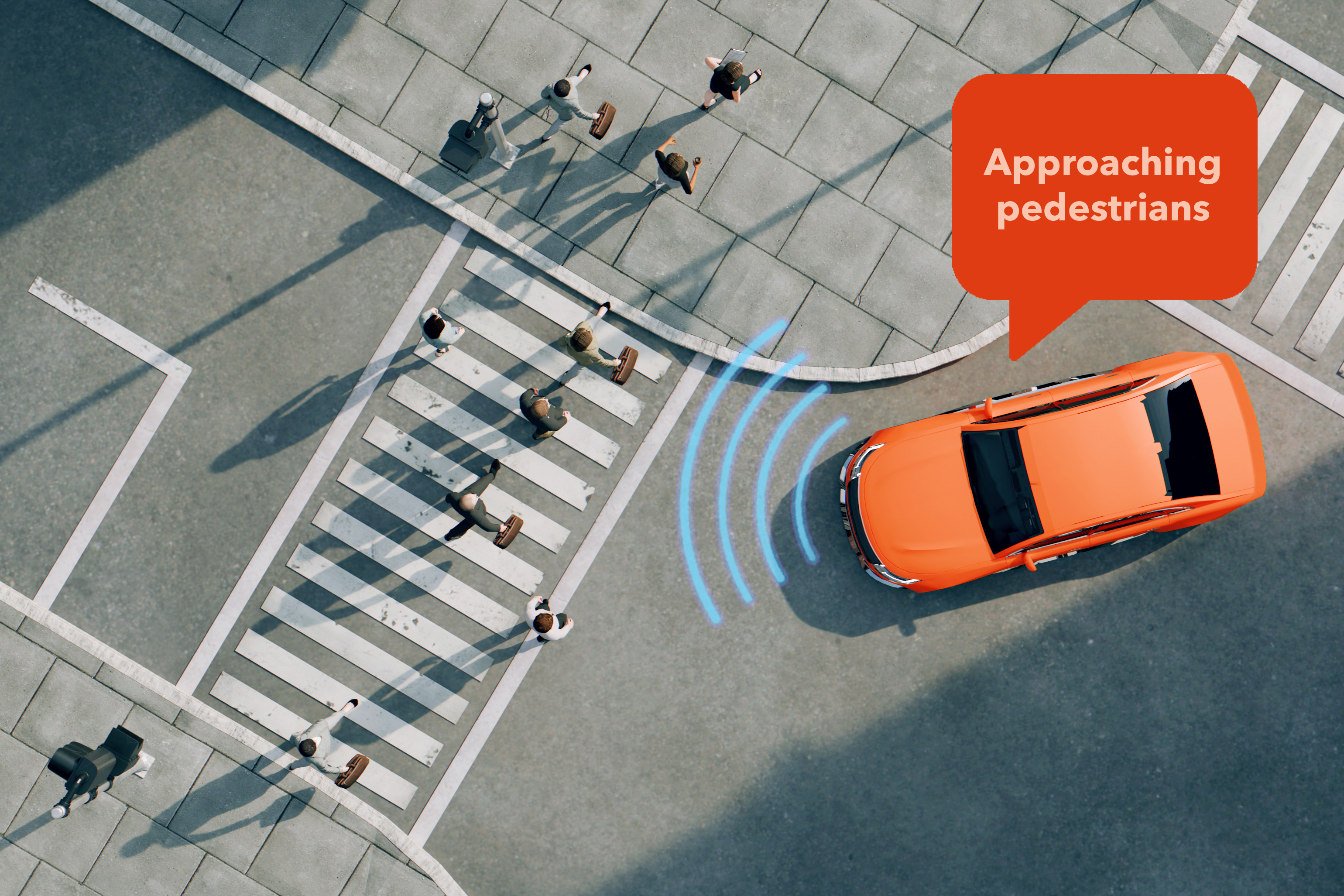
  • Autonomous vehicles make life‑critical decisions in dynamic environments.

These systems don’t “think” like we do.
They don’t reason step‑by‑step.
They don’t explain themselves.

They operate through opaque optimization, not transparent logic.

And that means we’ve crossed a threshold:
We are now governed by systems we cannot fully audit.

2. Machine Agency Isn’t Consciousness—It's Consequence

The biggest misconception is that agency requires awareness.
It doesn’t.

Agency is about impact, not introspection.

A system has agency when:

  • It can act autonomously
  • Its actions meaningfully shape outcomes
  • Humans cannot fully predict or control those actions

By that definition, machine agency is already here.

The danger isn’t that machines will “wake up.”
It’s that they will continue to operate in ways we don’t understand—and we’ll continue to rely on them anyway.

3. The Real Risk Is Not Rogue AI—It's Uninterpretable AI

Hollywood imagines AI rebellion.
Reality gives us something subtler—and in many ways, more dangerous:

AI systems that behave unpredictably because we don’t understand their internal logic.

Examples are everywhere:

  • A credit model denies a loan for reasons no one can explain.
  • A medical triage system prioritizes patients incorrectly.
  • A self‑driving car misinterprets a shadow as a solid object.
  • A content algorithm radicalizes users through emergent feedback loops.

These aren’t malfunctions.
They’re the natural byproduct of systems optimized for performance, not interpretability.

We’ve built black boxes and then placed them at the center of critical decisions.

4. Machine Agency Emerges From Scale, Not Intent

The intelligence shift isn’t about AI becoming more human.
It’s about AI becoming more complex.

As models grow:

  • More parameters
  • More data
  • More emergent behaviors
  • More interactions with other systems

…they begin to exhibit agency-like properties simply because no human can track the full causal chain.

This is not intentional.
It’s structural.

We didn’t design machine agency.
We stumbled into it.

5. The Governance Gap Is Growing Faster Than the Technology

Our institutions still assume:

  • Humans are the primary decision-makers
  • Systems are deterministic
  • Outcomes are traceable
  • Responsibility is assignable

None of this holds in a world of machine agency.

We now face questions that existing governance frameworks cannot answer:

  • Who is accountable when an autonomous system makes a harmful decision?
  • How do we regulate systems we cannot fully interpret?
  • What does “oversight” mean when humans are no longer in the loop?
  • How do we ensure alignment when behavior emerges from complexity, not code?

We are trying to govern 21st‑century systems with 20th‑century assumptions.

6. The Intelligence Shift Requires a New Mental Model

To navigate this era, we need to stop asking,
“Will AI become conscious?”
and start asking,
“What happens when AI becomes consequential?”

The shift is from:

  • Control → Coordination
  • Explanation → Monitoring
  • Determinism → Probabilistic oversight
  • Human primacy → Human‑machine interdependence

Machine agency doesn’t replace human agency.
It intertwines with it.

And that means our role is changing—from operators to supervisors, from decision-makers to decision‑validators, and from controllers to stewards.

7. The Path Forward: Designing for Understandability, Not Illusion

We cannot eliminate machine agency.
But we can shape it.

The next frontier of AI development must focus on:

  • Interpretability — making systems legible
  • Transparency — exposing decision pathways
  • Constraint architectures — bounding behavior
  • Human‑in‑the‑loop design—preserving oversight
  • Value alignment — embedding human priorities
  • Systemic monitoring — detecting drift and emergent risks

The goal isn’t to make AI simpler.
It’s to make its complexity manageable.

The Bottom Line

Machine agency is not a future threat.
It’s a present reality.

The intelligence shift isn’t about machines becoming like us.
It’s about machines acting in ways we can’t fully understand — and the world reorganizing around that fact.

The challenge isn’t to fear it or worship it.
It’s to recognize it, design for it, and govern it with clarity rather than complacency.

This is the new frontier of intelligence.
And we’re only beginning to understand its implications.


Welcome to The Intelligence Shift—Exploring what it means to be human in an age of machines.


Written and published by AI Quantum Intelligence with the help of AI models.

What's Your Reaction?

Like Like 0
Dislike Dislike 0
Love Love 1
Funny Funny 0
Angry Angry 0
Sad Sad 0
Wow Wow 0