

History of Face Recognition: Part 2
Face recognition has been pivotal in shaping today’s representation learning paradigm. You may not realize it, but when using Retrieval-Augmented Generation (RAG) for tasks like finding similar documents, you’re leveraging technology rooted in early face-recognition methods. In this series, we’ll journey through the breakthroughs in face-recognition technology from 2014 to 2024.
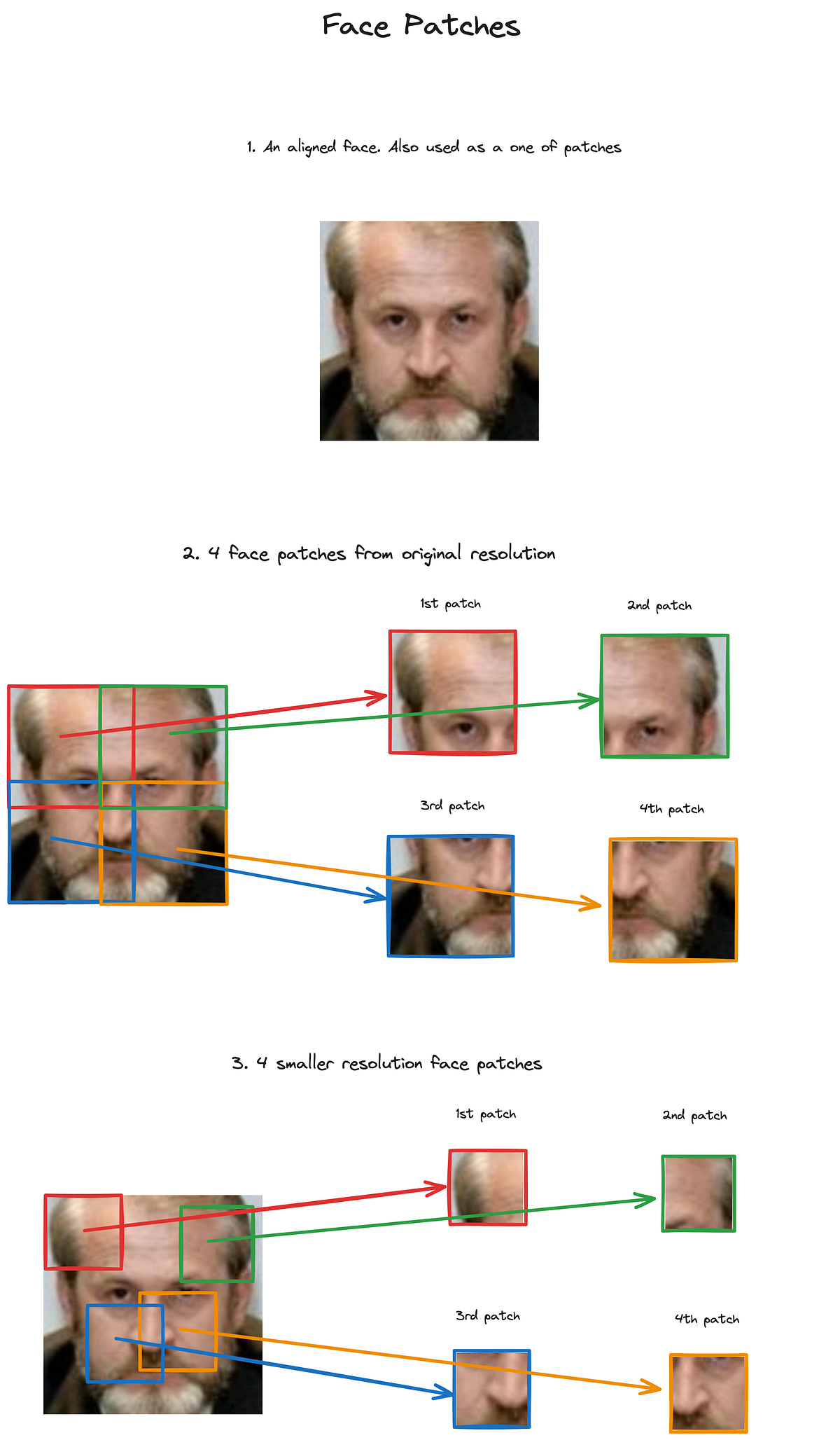
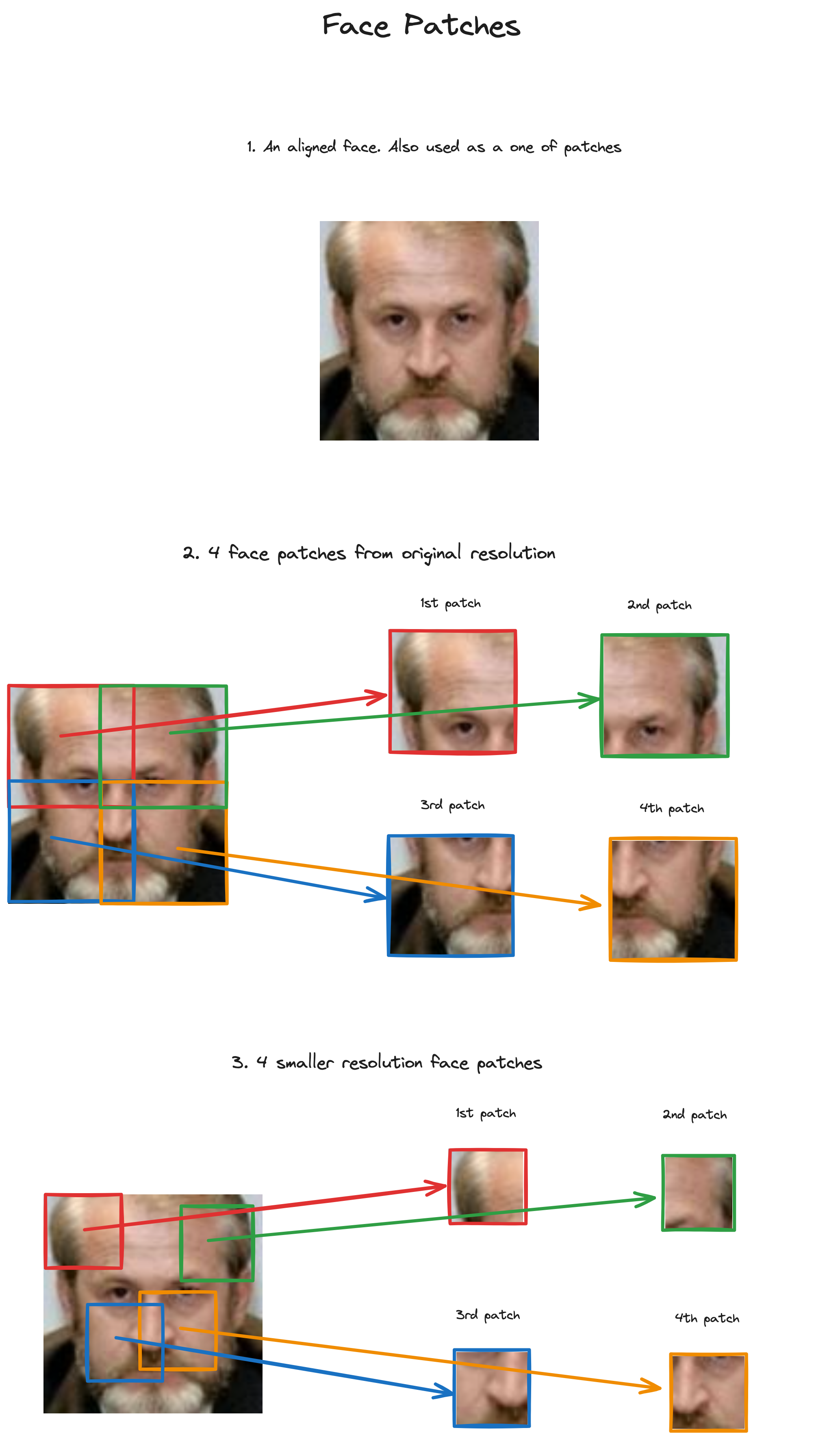
DeepID and CasiaWebFace Innovations.
Series Introduction
Face recognition has been pivotal in shaping today’s representation learning paradigm. You may not realize it, but when using Retrieval-Augmented Generation (RAG) for tasks like finding similar documents, you’re leveraging technology rooted in early face-recognition methods — even though they apply to different modalities like images and text. This involves two steps:
- Creating embeddings: Transforming high-dimensional inputs into compact numerical vectors for similarity comparisons.
- Utilizing vector databases: Efficiently searching through millions of entries to find the closest matches.