












The Rise of Personal AI Agents: What They May Actually Do for You in 2026
Personal AI agents are becoming more capable and more accessible, but not everyone will use them the same way. This article explains what these agents are, how they might fit into everyday life, and what to consider before adopting them.
Over the past few years, artificial intelligence has shifted from something futuristic to something many people use every day. We ask AI to help with homework, write emails, plan trips, or answer questions. But 2026 is shaping up to be the year when AI takes a much bigger step forward. Instead of simply responding to commands, AI systems are beginning to act more like independent helpers — often called personal AI agents.
These agents are designed to understand goals, make decisions, and take action without needing constant direction. While not everyone will choose to use them, and not everyone will have the budget or technical setup to integrate them fully, the technology is moving fast enough that many people will at least encounter them in the next few years. Understanding what they are — and what they might do — is becoming increasingly important.
What Is a Personal AI Agent?

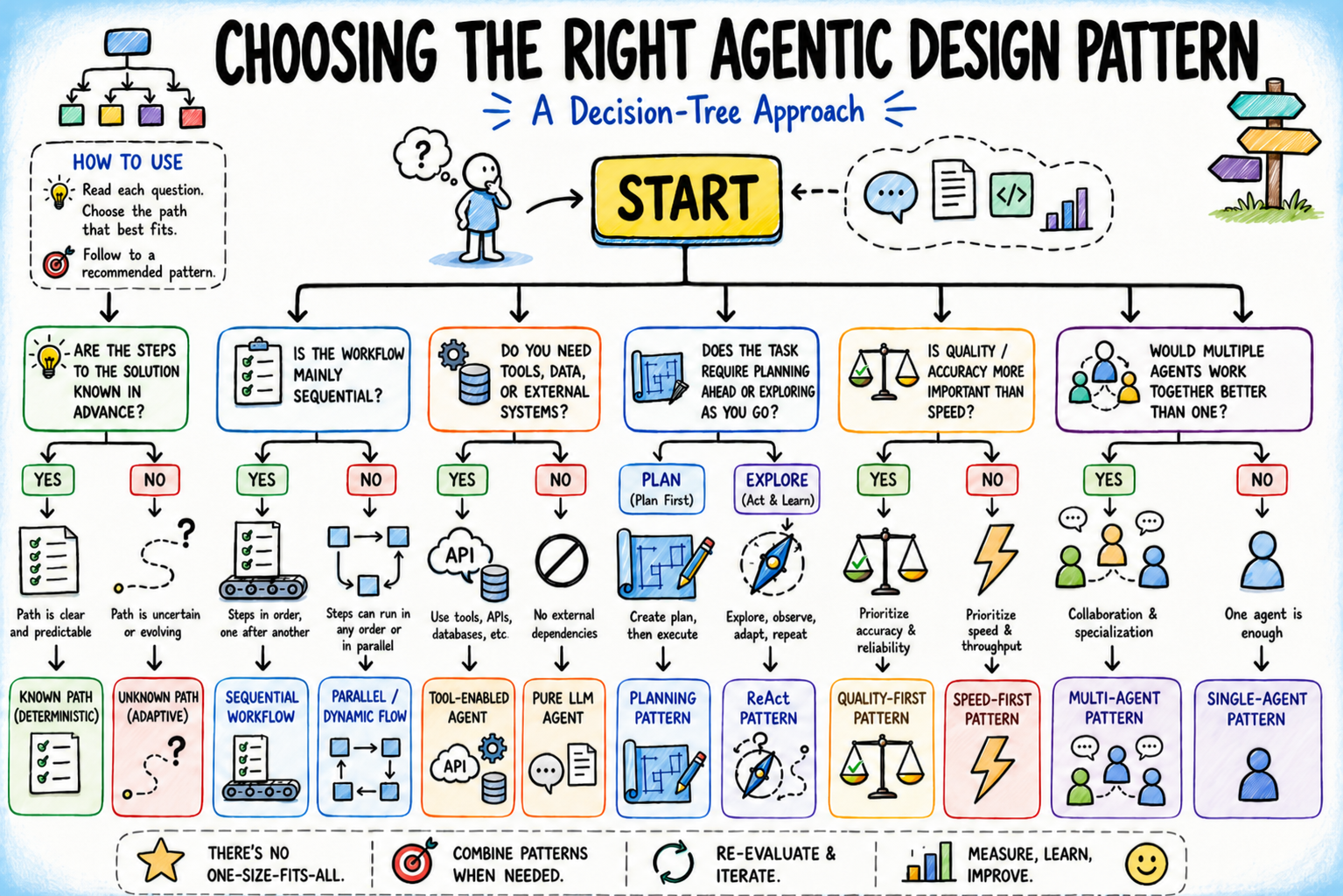
A personal AI agent is different from the chatbots most people are familiar with today. Instead of waiting for instructions, an agent can plan ahead, break down tasks, and sometimes even coordinate with other software or devices. You might think of it as a digital assistant that can learn your preferences and help manage parts of your life or work.
However, it’s important to remember that these abilities depend on how much access you give the agent, what tools you connect it to, and what you can afford. Some people may only use basic, free versions. Others might invest in advanced systems that can handle more complex tasks. The experience will vary widely from person to person.
Why 2026 Is a Turning Point
Several major developments are coming together at the same time, making personal AI agents more realistic than ever. New AI models are becoming better at reasoning and planning. Developers are building frameworks that make it easier to create agent-based tools. And more devices — from phones to home appliances — are becoming compatible with AI systems.
This doesn’t mean everyone will suddenly have a fully autonomous digital assistant running their life. But it does mean that the option will exist, and many people will start experimenting with it in small ways. Just like smartphones slowly became part of everyday life, personal AI agents may follow a similar path.
How Personal AI Agents Might Fit Into Daily Life
If someone chooses to use a personal AI agent, it could show up in many different parts of their routine. For example, a student might use an agent to help organize assignments or summarize long readings. Someone working a part‑time job might use it to keep track of schedules or draft simple messages. A small business owner might rely on an agent to help manage social media posts or track inventory.
In creative fields, agents may help brainstorm ideas, edit videos, or design simple graphics. At home, they might help plan meals, remind you about appointments, or adjust smart devices like lights and thermostats. None of these tasks are guaranteed, and not everyone will want or need this level of support. But the potential is there, and it will grow as the technology becomes more accessible.
The Role of Cost, Access, and Personal Preference
One of the biggest factors in how widely personal AI agents will be used is cost. Some basic tools may be free, but more advanced systems — especially those that can take actions across multiple apps or devices — will likely require subscriptions, paid upgrades or an ever-increasing exposure to targeted ads. People who enjoy experimenting with technology may adopt agents early, while others may wait until the tools become cheaper or easier to use.
Technical comfort also matters. Setting up an agent to manage your email or control your home devices requires a certain level of trust and understanding. Some people may feel excited about this, while others may prefer to keep things simple. There is no “right” way to use AI agents; the goal is to choose what fits your life, your comfort level, and your budget.
Potential Risks and the Need for Caution
As with any powerful technology, personal AI agents come with risks. If an agent has access to your accounts or personal information, you need to be sure it’s secure. If it’s allowed to take actions on your behalf, you need to understand what those actions might be. And because agents can make decisions on their own, it’s important to set clear boundaries.
For many people, the safest approach will be to start small — letting an agent help with simple tasks before trusting it with anything more important. Over time, as people learn how these systems behave, they can decide whether to expand their use or keep things limited.
Preparing for the Agent Era
Even if you don’t plan to use a personal AI agent right away, it’s helpful to understand how they work. Learning the basics of AI, experimenting with simple tools, and paying attention to privacy settings can make the transition smoother if you decide to adopt more advanced systems later.
For those who are curious, starting with small, low‑risk tasks — like organizing notes or summarizing articles — can be a good way to explore the technology. As comfort grows, you can decide whether to connect the agent to more parts of your digital life.
Looking Ahead
By the end of the decade, personal AI agents may become as common as smartphones are today. They could act as the main way people interact with technology, helping manage everything from schoolwork to household routines. But this future won’t arrive all at once, and it won’t look the same for everyone.
Some people will embrace agents fully. Others will use them only for specific tasks. And many will choose to keep things simple, sticking with traditional apps and tools. The important thing is that the choice will be yours.
The rise of personal AI agents isn’t just about technology — it’s about how each person decides to shape their digital life.
Written/published by Kevin Marshall with the help of AI models (AI Quantum Intelligence).
What's Your Reaction?
 Like
0
Like
0
 Dislike
0
Dislike
0
 Love
0
Love
0
 Funny
0
Funny
0
 Angry
0
Angry
0
 Sad
0
Sad
0
 Wow
0
Wow
0