














The Rise of Agentic AI: From Chatbots to Autonomous Coworkers
Explore the shift from Generative AI to Agentic AI in 2026. Discover how autonomous AI agents are evolving from simple chatbots into "digital coworkers" capable of independent reasoning, tool use, and complex task execution.
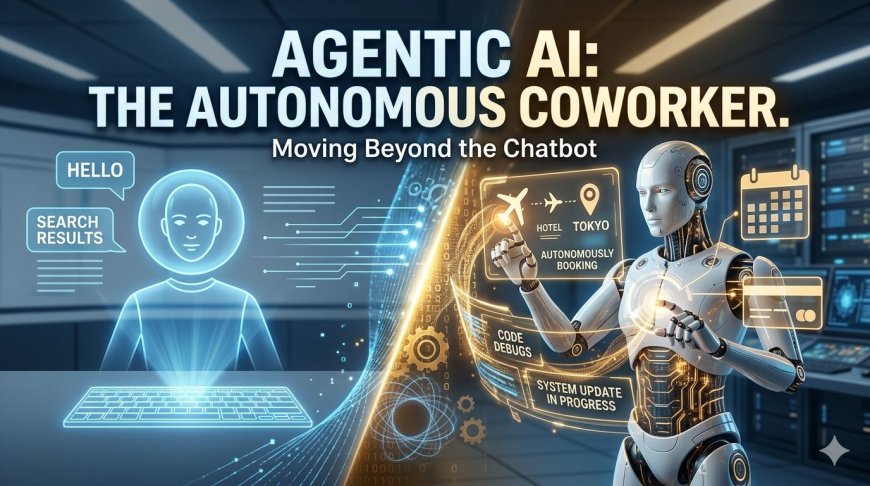
The narrative of Artificial Intelligence is shifting. For the past two years, the world has been captivated by "Generative AI"—the ability of models to create text, images, and code upon request. But as we move deeper into 2026, the industry is pivoting toward a more potent evolution: Agentic AI.
What is Agentic AI?
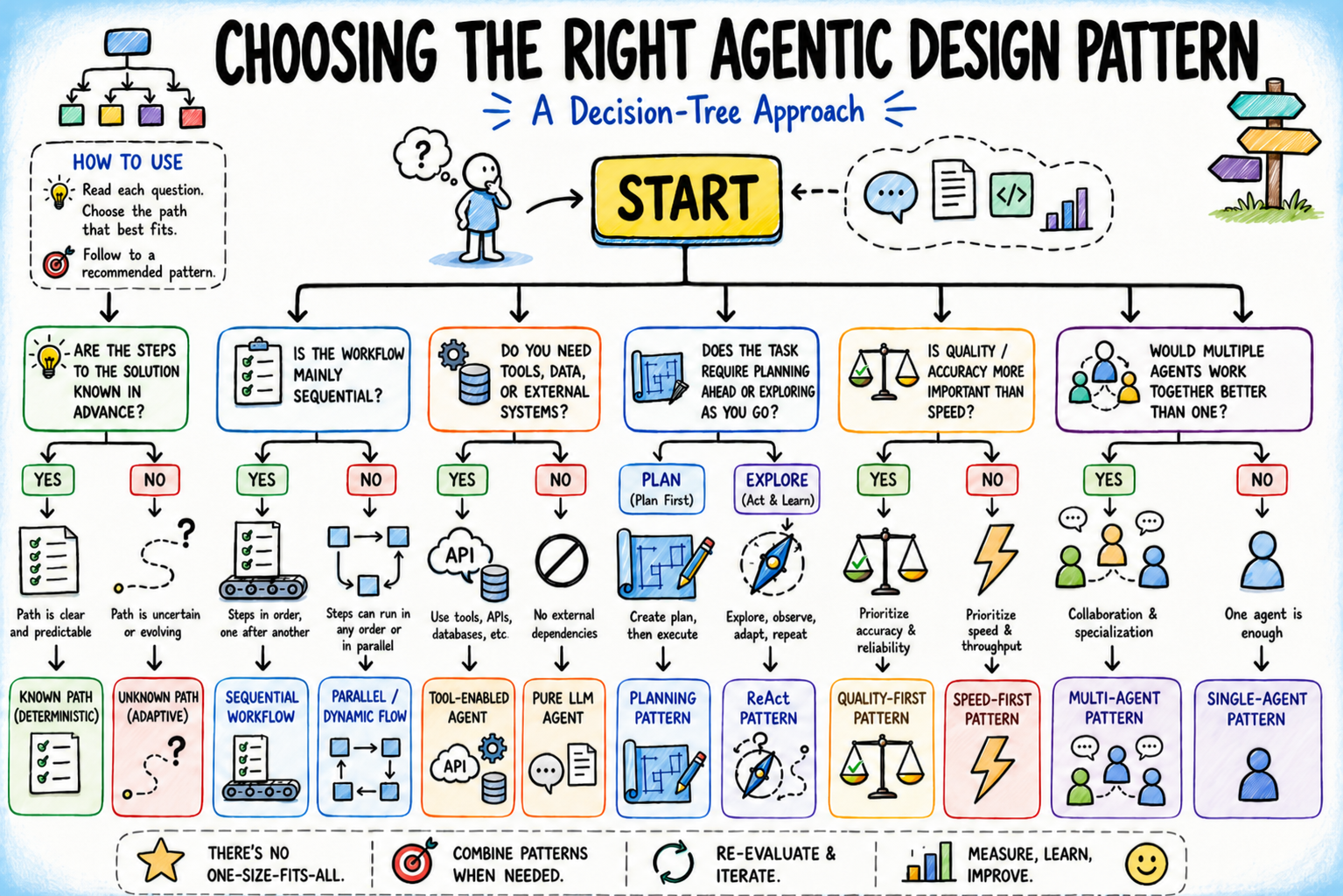
Unlike standard AI models that act as passive encyclopedias, Agentic AI systems are designed to act as "agents." If a traditional LLM is a world-class researcher, an Agentic system is a world-class project manager. These systems don’t just provide information; they use tools, navigate software, and make iterative decisions to complete a multi-step goal.
Why the Shift Matters
The primary limitation of current automation is the "human-in-the-loop" requirement for every minor transition. For example, if you want to plan a business trip, you might use AI to suggest hotels, but you still have to navigate the booking site, enter credit card details, and sync it to your calendar.
An Agentic system flips this script. You provide a high-level objective—"Book a three-day trip to Tokyo for under $2,000 that aligns with my Outlook calendar"—and the agent executes the sub-tasks:
-
Reasoning: It breaks the goal into steps (Search flights -> Check calendar -> Book hotel).
-
Tool Use: It accesses web browsers or APIs to interact with live booking data.
-
Self-Correction: If a flight is sold out during the booking process, it doesn’t stop; it finds the next best alternative without asking for permission.
The Impact on the Workforce
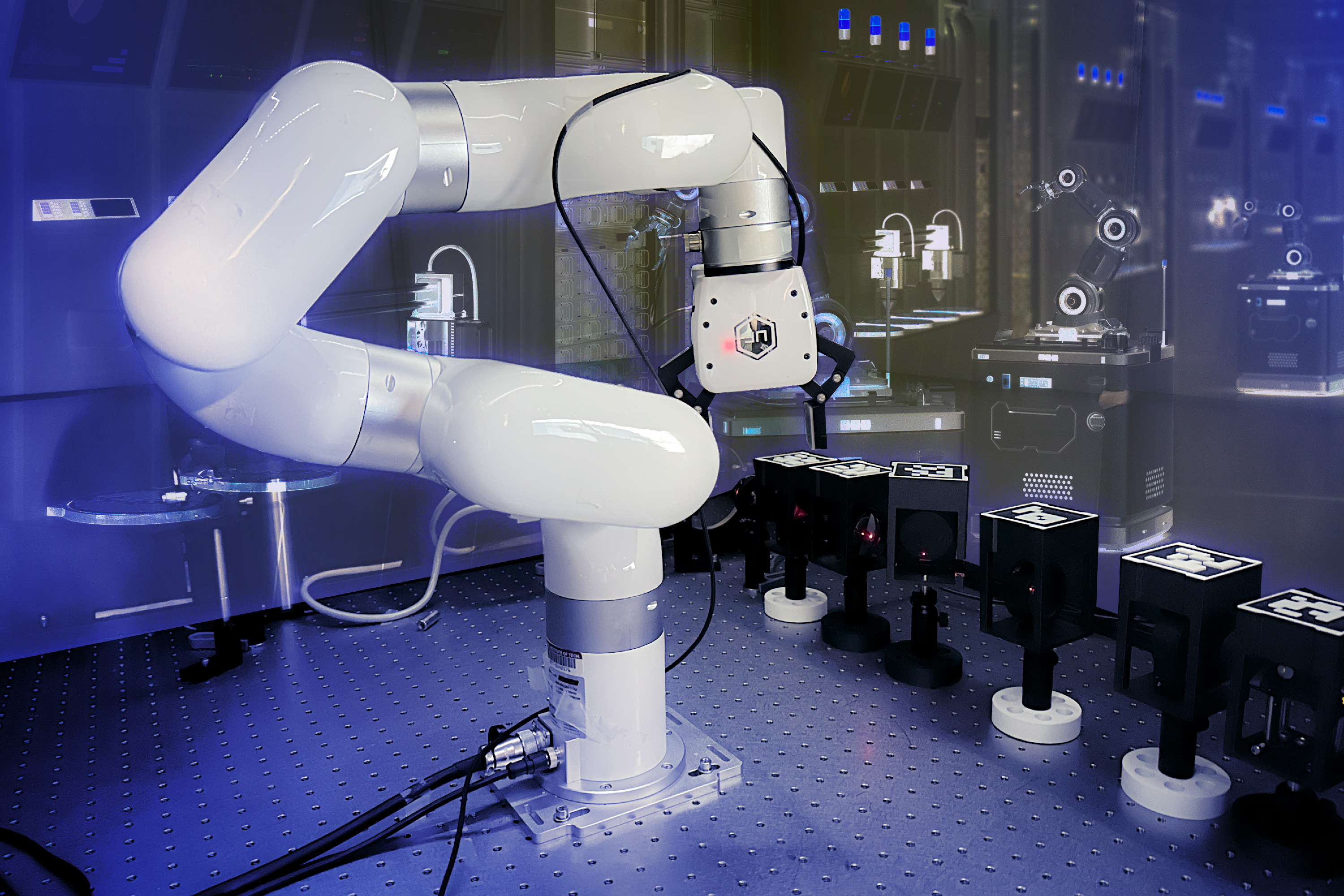
We are entering the era of the "Autonomous Coworker." In professional environments, these agents are beginning to handle:
-
Software Development: Agents that not only write code but also debug it, run tests, and deploy it to servers.
-
Customer Operations: Systems that can resolve complex billing disputes by accessing multiple internal databases and processing refunds autonomously.
-
Supply Chain: Automation that monitors inventory levels and independently negotiates with vendor APIs to restock materials based on fluctuating market prices.
The Challenges Ahead: Trust and Guardrails
As we grant AI the agency to act on our behalf, the "Alignment Problem" becomes practical rather than theoretical. How much autonomy is too much? Industry leaders are currently focusing on:
-
Verifiability: Ensuring we can audit why an agent made a specific choice.
-
Security: Preventing "prompt injection" where a third party could trick an agent into transferring funds or leaking data.
-
Reliability: Moving from "probabilistic" outcomes (where the AI is right most of the time) to "deterministic" execution (where the AI follows strict business logic).
Looking Forward
The transition from "AI as a tool" to "AI as an agent" represents the largest productivity frontier of the decade. For businesses and enthusiasts alike, the goal is no longer just learning how to "prompt" an AI, but learning how to manage a fleet of autonomous digital workers.
As these systems become more integrated into our daily workflows, the value of human labor will shift further toward high-level strategy, ethics, and creative direction. The machines are no longer just talking; they are doing.
For more deep dives into the future of autonomous systems and quantum-enhanced machine learning, stay tuned to
What's Your Reaction?
 Like
0
Like
0
 Dislike
0
Dislike
0
 Love
1
Love
1
 Funny
0
Funny
0
 Angry
0
Angry
0
 Sad
1
Sad
1
 Wow
1
Wow
1