












The Synthetic Data Reckoning: Clarity, Risks, and the Future of AI Development
A comprehensive, research‑backed examination of synthetic data—clarifying what it is, what it isn’t, and why misconceptions about privacy, fidelity, and bias are undermining AI development. Explores risks, governance, and the strategic value of high‑integrity synthetic data.
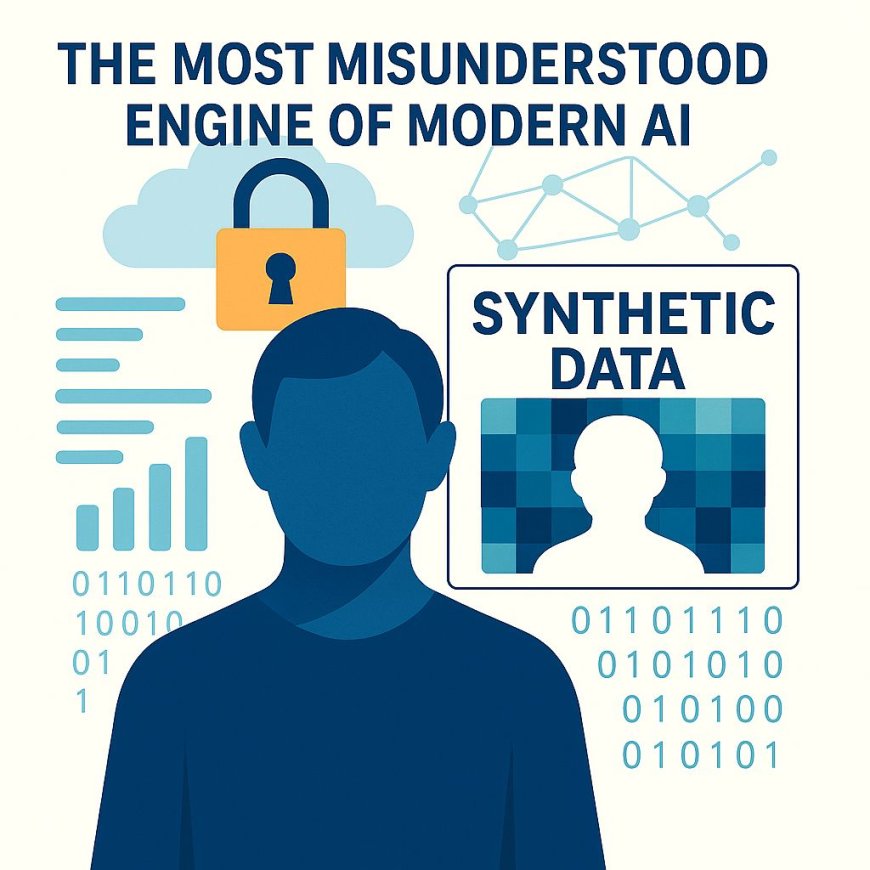
Synthetic data is one of the most widely used tools in modern AI, yet it remains one of the most misunderstood. Many people hear the term and assume it means “fake data,” “perfectly private data,” or “a full replacement for real data.” None of these ideas are quite right. A clearer explanation helps people understand what synthetic data can do, where it falls short, and why it is becoming so important for the future of AI.
What synthetic data actually is
Synthetic data is information created by computer models to look and behave like real data. Instead of collecting it from people, sensors, or business systems, an AI model learns the patterns in an existing dataset and then generates new examples that follow the same structure.
This can be done for many types of data:
- Text (conversations, documents, instructions)
- Images (faces, medical scans, street scenes)
- Audio (voices, sound effects)
- Tabular data (spreadsheets, financial records, patient data)
The key idea is that the new data points are not copies of real people or events. They are new, artificial examples that mimic the statistical patterns of the original dataset.
Why synthetic data is misunderstood
Several common misunderstandings make synthetic data seem either more magical or more dangerous than it really is.
Confusion with anonymized data
People often mix up synthetic data with anonymized data. Anonymized data removes names or identifiers, but it can still be traced back to real people. Synthetic data, when done correctly, does not contain any real individuals at all.
Belief that synthetic data is automatically private
Some assume synthetic data is always safe. Others assume it is never safe. The truth is in the middle. Synthetic data can be highly private, but only if the model that generates it is trained carefully and evaluated for privacy leakage.
Overconfidence in generative AI
Because modern AI models are powerful, many assume synthetic data is always high-quality. But generative models can:
- Miss rare events
- Reinforce biases
- Produce unrealistic examples
- Memorize parts of the training data
Quality varies widely depending on the method and the safeguards used.
Lack of clear standards
There is no universal agreement on how to measure synthetic data quality. Researchers use terms like fidelity, utility, diversity, and fairness, but organizations often lack the tools to evaluate these properly.
How synthetic data is created
Synthetic data can be generated in several ways, each with different strengths.
- Statistical models recreate distributions and relationships from the original data.
- Deep learning models such as GANs, VAEs, diffusion models, and transformers learn complex patterns and generate new examples.
- Hybrid approaches combine statistical control with deep learning flexibility.
The choice of method affects how realistic, diverse, and private the synthetic data will be.
What synthetic data is good for
Synthetic data is especially useful when real data is:
- Hard to collect
- Expensive
- Sensitive
- Restricted by privacy laws
- Too small to train a model effectively
Organizations use synthetic data to:
- Build and test AI models faster
- Share data safely with partners
- Simulate rare or dangerous scenarios
- Improve model performance when real data is limited
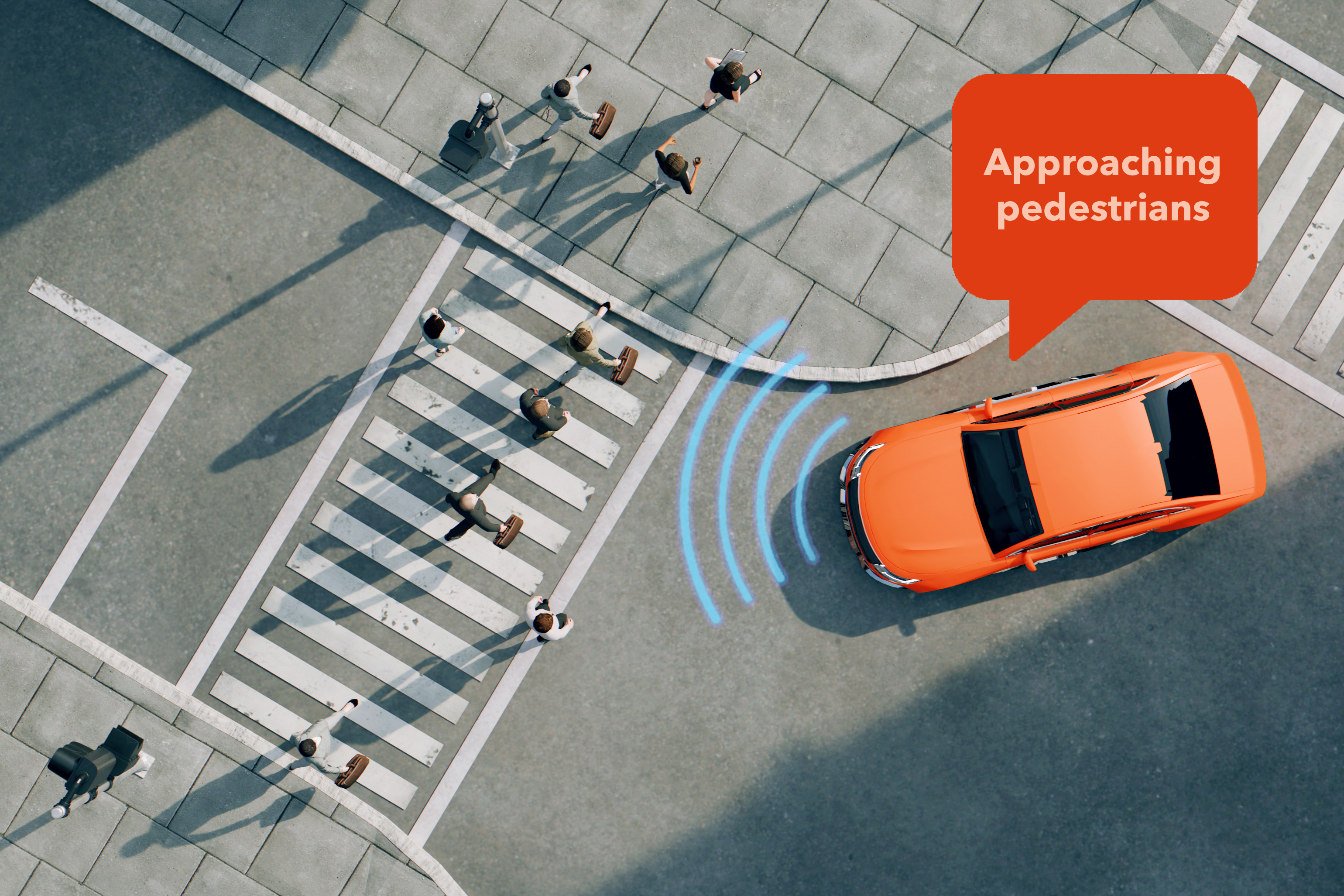
Industries like healthcare, finance, retail, and autonomous vehicles rely heavily on synthetic data for these reasons.
Where synthetic data can fall short
Synthetic data is powerful, but it is not perfect.
Bias can be reproduced or amplified
If the original data is biased, the synthetic version may repeat or even exaggerate those patterns unless the generation process is carefully monitored.
Rare events are difficult to model
Fraud cases, medical anomalies, or unusual customer behaviors may not appear often enough in the original dataset for the model to learn them well.
Privacy is not guaranteed
If a generative model memorizes the training data, it may accidentally produce examples that resemble real individuals. Techniques like differential privacy help reduce this risk, but they must be applied intentionally.
Synthetic data cannot fully replace real data
Real-world complexity, human behavior, and edge cases are still best captured through real data collection. Synthetic data works best as a supplement, not a substitute.
Why synthetic data matters for the future of AI
As privacy laws tighten and data becomes harder to access, synthetic data offers a way to continue innovating without compromising safety or ethics. It enables:
- Faster experimentation
- Safer data sharing
- More inclusive datasets
- Better protection for individuals
- Scalable AI development
Researchers and industry experts agree on several points:
- Synthetic data is a powerful tool when used responsibly.
- It requires strong evaluation methods to ensure quality and privacy.
- It should complement real data, not replace it.
- Governance and transparency are essential for trust.
How organizations can use synthetic data responsibly
A practical approach includes:
- Clear documentation of how synthetic data is generated
- Privacy checks to ensure no real individuals can be reconstructed
- Fairness audits to detect and correct bias
- Quality metrics that measure realism and usefulness
- Combining real and synthetic data for the best results
This balanced strategy helps organizations innovate while protecting people and maintaining trust.
Synthetic data is not a magic solution, but it is a powerful and increasingly essential tool for building modern AI systems. Understanding what it can—and cannot—do allows teams to use it more effectively and avoid common pitfalls.
Written/published by Kevin Marshall with the help of AI models. (AI Quantum Intelligence)
What's Your Reaction?
 Like
0
Like
0
 Dislike
0
Dislike
0
 Love
0
Love
0
 Funny
1
Funny
1
 Angry
0
Angry
0
 Sad
0
Sad
0
 Wow
0
Wow
0