














Python or Julia? A Practical Guide for AI Teams
Python vs Julia for AI: a practical comparison of performance, ecosystem, deployment, and when to choose each language.
Short answer: Python is the pragmatic default for most AI projects today because of its unmatched ecosystem and deployment support; Julia is the best choice when you need single‑language, high‑performance numerical code and are prepared to trade ecosystem breadth for speed and expressiveness.
Introduction and decision guide
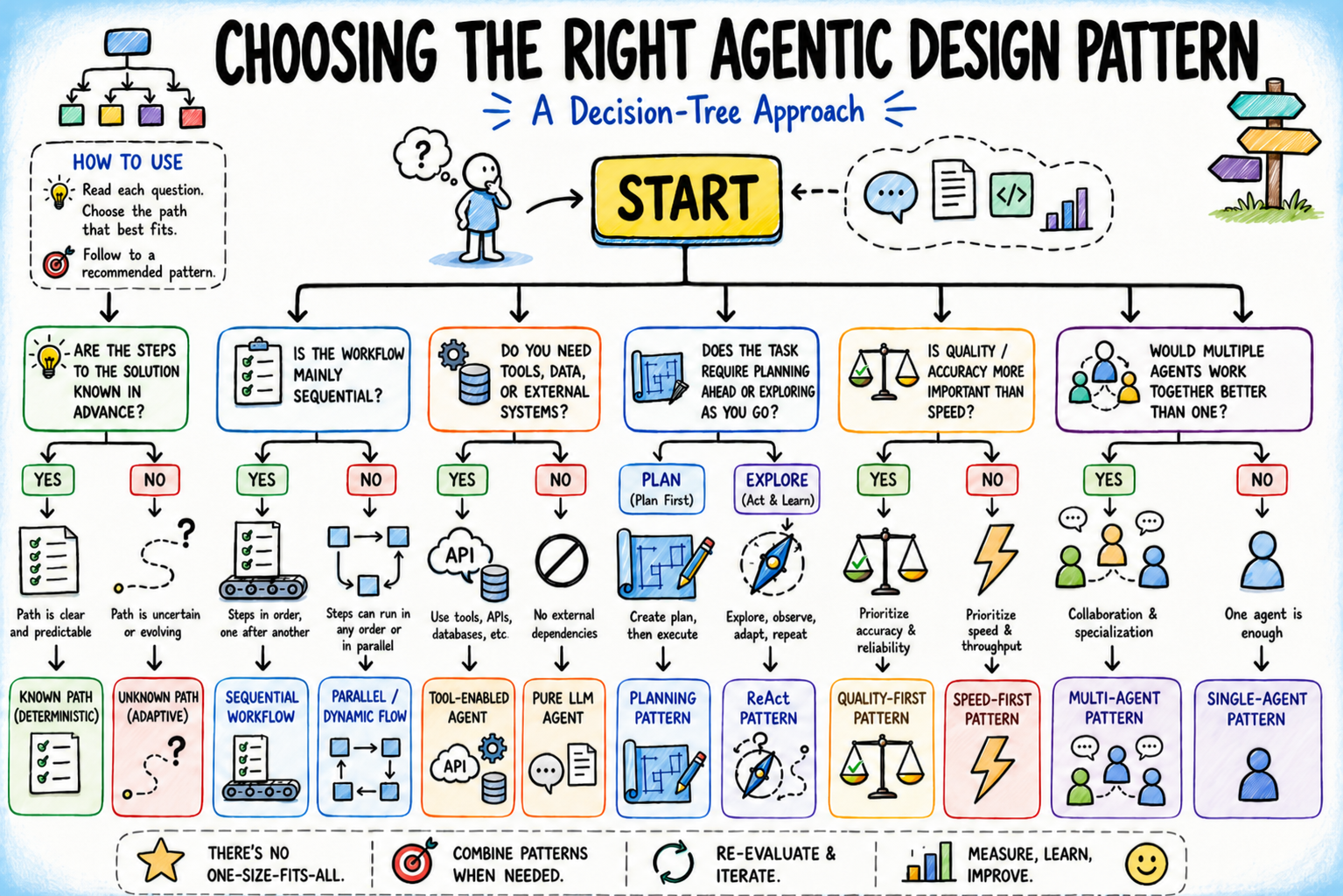
This article compares Julia and Python for AI development across performance, ecosystem, productivity, and deployment. To choose, ask: (1) Do you need many pretrained models and third‑party integrations? (2) Will you write custom numerical kernels where every millisecond matters? (3) What is your hiring and maintenance constraint? If you answered yes to (1) or have tight time‑to‑market needs, favor Python; if you answered yes to (2) and can accept a smaller ecosystem, consider Julia.
Performance and engineering trade-offs
Julia was designed for technical computing and often delivers C‑like performance through JIT compilation and native parallelism, making it attractive for custom kernels, differential equations, and optimization tasks. Python’s interpreter is slower for pure‑Python loops, but most AI workloads run on optimized backends (NumPy, PyTorch, TensorFlow) so real‑world training and inference speed is typically comparable when using those libraries.
Ecosystem, models, and productivity
Python’s ecosystem is the decisive advantage: extensive pretrained models, mature frameworks, cloud integrations, and MLOps tooling dramatically reduce development time and deployment risk. Julia’s ML ecosystem (Flux.jl, MLJ.jl) is promising and growing, but currently offers fewer off‑the‑shelf models and less vendor support.
Risks, limitations, and mitigation
- Talent and hiring risk: fewer Julia engineers; higher onboarding cost.
- Ecosystem risk: missing libraries or integrations in Julia can slow projects.
- Operational risk: cloud providers and managed services favor Python.
Mitigation: prototype in Python for model selection and orchestration, then reimplement hot numerical paths in Julia if profiling shows bottlenecks; use interop layers to combine strengths.
Recommendations
- Start with Python for research, prototyping, and production unless you have a clear, measured need for Julia’s performance.
- Choose Julia when profiling proves Python backends can’t meet latency or throughput targets and you want a single language from prototype to production.
- Hybrid approach: use Python for model ecosystems and orchestration, and Julia for specialized kernels—this balances speed and ecosystem access.
Conclusion
Python wins on ecosystem, speed of development, and deployment; Julia wins on raw numerical performance and elegant scientific syntax. The best choice depends on project constraints: time‑to‑market and model availability favor Python, while extreme numerical performance and single‑language scientific stacks favor Julia.
Written/published by Kevin Marshall with the help of AI models (AI Quantum Intelligence).
What's Your Reaction?
 Like
0
Like
0
 Dislike
0
Dislike
0
 Love
0
Love
0
 Funny
0
Funny
0
 Angry
0
Angry
0
 Sad
0
Sad
0
 Wow
0
Wow
0