











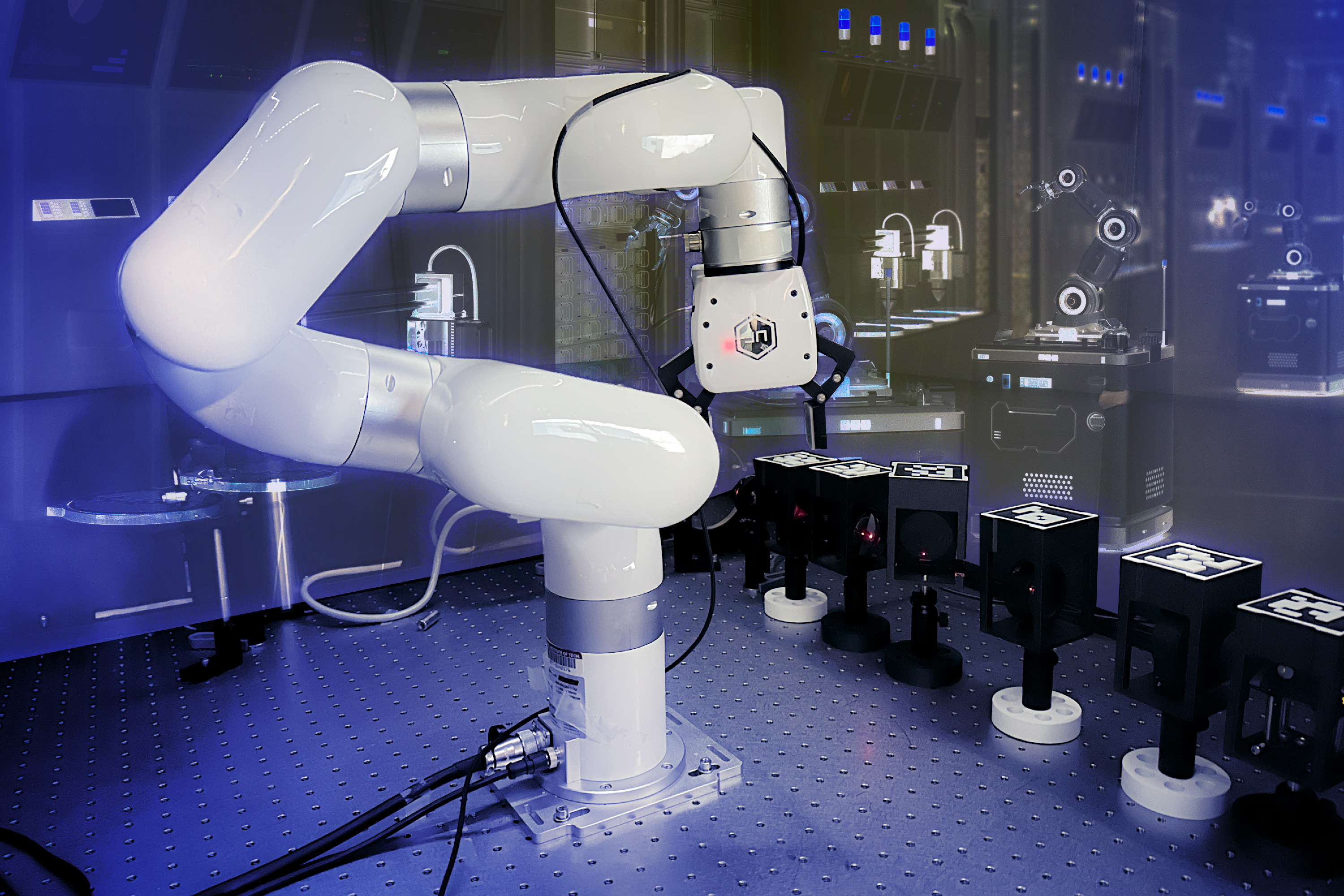



The Shadow Giants: Navigating the Hidden Supply Chains of the AI and Robotics Revolution
Let’s explore the comprehensive supply chain of the new technological age. This article analyzes the thriving downstream markets in AI compute, data science, and robotics manufacturing, highlighting the critical roles of thermal management, power infrastructure, and ethical auditing in 2026.

While the global spotlight remains fixed on the "superstars" of the new technological age—the chipmakers like NVIDIA, the model architects like OpenAI, and the humanoid pioneers like Boston Dynamics—a far more complex economic transformation is occurring in the shadows. We are currently in the "Pre-Quantum" Era, characterized by an insatiable appetite for compute, data, and physical automation.
Behind these peak-demand entities lies a massive, multi-layered infrastructure. To understand where the real wealth and impact of this revolution reside, we must look one or two steps down the supply chain at the peripheral industries that have transitioned from "boring" utilities to critical bottlenecks.
1. The Thermal Management and Cooling Hegemony
In the new age of technology, heat is the enemy of progress. Traditional data centers used air cooling to manage power densities of 5–10 kW per rack. However, AI-heavy facilities in 2026 now operate at 50–100 kW per rack, rendering fans obsolete.
- The Industry: Liquid-to-chip cooling, immersion cooling, and specialized thermal management.
- The Players: Companies like Vertiv, Schneider Electric, and specialized providers like EVAPCO are no longer just HVAC firms; they are the literal life-support systems for AI.
- The Shift: This market is thriving because modern GPUs like the Blackwell or H200 series effectively operate as industrial heaters. Without specialized liquid manifolds and coolant distribution units (CDUs), the "brain" of AI cannot function.
2. The Power Infrastructure and Grid Orchestration
We are witnessing a "reset" in site selection for technology. Connectivity is no longer the primary driver for data farms; power availability is.
- Upstream Winners: Specialized electrical equipment manufacturers—those making transformers, switchgear, and high-voltage substations—face backlogs stretching into the years.
- Peripheral Markets: Natural gas pipeline companies (e.g., Williams) and renewable energy giants (e.g., NextEra Energy) are becoming the primary partners for Big Tech.
- The "Behind-the-Meter" Revolution: Because the public grid is often too slow to adapt, data farms are increasingly becoming their own power plants, utilizing hydrogen fuel cells (e.g., Bloom Energy) and modular nuclear reactors to ensure 24/7 "uptime."
3. Robotics Manufacturing: The "Unseen" Componentry
While humanoids capture the imagination, the "Digital Twin" and precision component markets are the ones capturing the revenue.
- Precision and Fluidics: Robotics manufacturing is driving a massive boom in high-precision sensors (LiDAR/MEMS) and specialized industrial lubricants. A robot that operates 24/7 in a warehouse requires maintenance cycles and materials far beyond traditional automotive assembly lines.
- Downstream SaaS: The "Simulate-then-Procure" economy is thriving. Companies like Dassault Systèmes (DELMIA) or DBR77 allow manufacturers to build entire factories in virtual space before buying a single bolt. This avoids "CapEx guessing" and has turned industrial simulation into a multi-billion-dollar niche.
4. Data Curation and Ethical Auditing
The era of "scraping the whole internet" is ending as high-quality data becomes scarce.
- Synthetic Data Generation: Firms that use AI to create "clean" training data for other AIs are thriving downstream.
- Governance and "AI Auditing": As regulations like the EU's AI Act take hold, a new peripheral industry for algorithmic auditability and bias testing (led by consulting giants and niche tech-legal firms) is becoming a mandatory "tax" on any AI deployment.
5. Implications: The Double-Edged Sword
The explosive growth in these peripheral sectors brings a unique set of socioeconomic and environmental pressures.
Positive Impacts
- Job Market Evolution: While routine cognitive tasks are being automated, there is a massive surge in demand for "Blue-Tech" jobs—technicians who can maintain liquid cooling systems, power grids, and robotic fleets.
- Economic Efficiency: AI-driven productivity is projected to expand EBIT margins by up to 28% in consumer discretionary sectors by optimizing supply chains 1–2 steps ahead of consumer demand.
Negative Impacts
- Resource Exhaustion: Data centers are becoming the world's 5th largest electricity consumers. By late 2026, AI infrastructure is expected to consume six times more water than a medium-sized nation like Denmark for cooling alone.
- Local Economic Displacement: Wholesale electricity prices in areas near large data farms have risen as much as 267%, potentially pricing out local residents and smaller businesses from the very energy they helped build.
- E-Waste: The "short shelf-life" of AI hardware means that GPUs are often replaced every 3–5 years, leading to a mounting crisis of electronic waste containing lead and mercury.
Conclusion: The Road to Quantum
As we stand on the precipice of the Quantum Computing age, the current infrastructure boom represents the "paving of the road." The companies that manage the physical reality of technology—power, cooling, and raw materials—are the true foundation of the modern economy.
For those looking to dive deeper into how these shifts are analyzed through an AI lens, resources like AI Quantum Intelligence provide ongoing insights into the intersection of compute, data, and emerging technology.
Written/published by Kevin Marshall with the help of AI models (AI Quantum Intelligence).
Sources:
What's Your Reaction?
 Like
0
Like
0
 Dislike
0
Dislike
0
 Love
0
Love
0
 Funny
0
Funny
0
 Angry
0
Angry
0
 Sad
0
Sad
0
 Wow
0
Wow
0