








Trained on Yesterday Choosing Tomorrow - Rethinking AI’s Moral Compass
AI is trained on historical data, risking inherited bias. Learn how intentional design, value alignment, and human oversight can shift AI from repeating past errors to creating a fairer future.
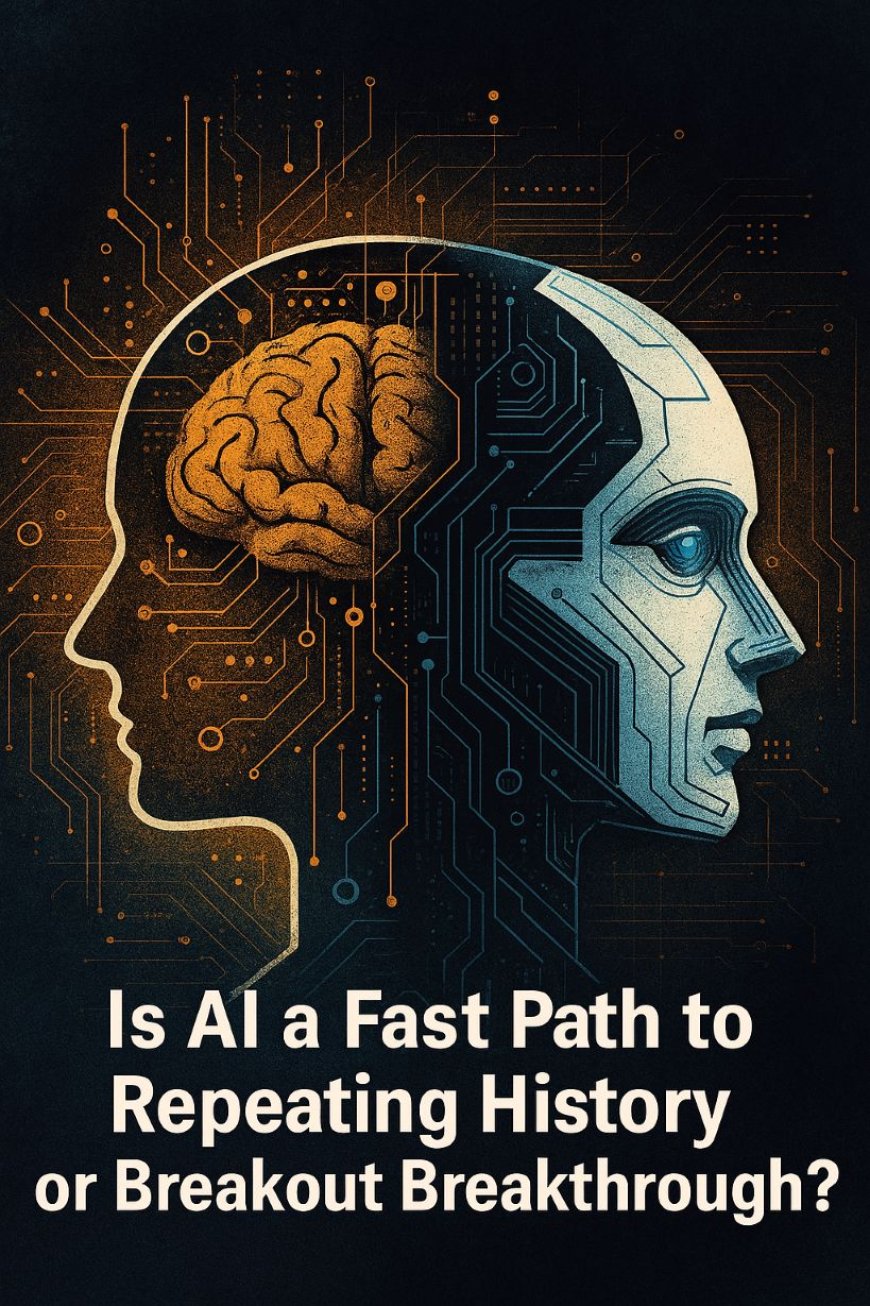
Can AI Learn from Our Past Without Repeating Our Mistakes?
We often worry about Artificial Intelligence (AI). If we teach it using all of human history, won't it just learn our worst habits and biases?
The short answer is: It doesn't have to.
If we're lazy and just feed AI a pile of historical data, it will absolutely copy our past failures. But if we are careful and intentional, we can design AI to spot those flaws and help us build a better, fairer future.
Why AI Can Learn Our Bad Habits
Bias doesn't magically appear in AI; we put it there, often by accident. It happens in three main stages:
1. The Data Isn't Neutral
The data we feed AI is already biased. It's a reflection of what society chose to measure and record. For example, if historical arrest records are skewed by racial bias, an AI trained on that data will learn to be biased, too. The data is already a mirror of our prejudices.
2. The Design Can Lock in Bias
We tell the AI what "success" looks like. If we tell a social media AI that "success" is getting the most clicks, it will learn to promote sensational or angry content, because that's what gets clicks. We accidentally designed it to make people argue.
3. Real-World Use Can Make It Worse
Once an AI is in the world, it can create a "feedback loop." Imagine a biased AI recommending certain people for jobs. Those people get hired, which "proves" to the AI that its recommendations were correct. This makes it even more biased for the next round of hiring.
How We Can Build Smarter, Fairer AI
The good news is we can fix this. Instead of just letting AI copy the past, we can teach it to be better.
- Teach AI Our Values, Not Just Our Habits
Instead of just training AI to predict what we did, we can train it to aim for goals we want, like fairness, safety, and respect. This is like teaching a kid "don't just do what everyone else does; do what is right."
- Make the AI Ask "What If...?"
We can use advanced methods to make the AI explore scenarios that didn't happen in our data. For example, "What if this job applicant from a different background had been given an interview? What would the outcome have been?" This helps the AI find new, fairer paths it wouldn't have learned from history alone.
- Create "Good" Data to Fill the Gaps
If our historical data is missing positive examples (like women in leadership roles), we can create new, balanced data to teach the AI. This "synthetic data" acts as a counter-balance to past biases, giving the AI a more complete picture of the world we want.
- Keep People in Charge
This is called "human-in-the-loop." It means having diverse groups of real people check the AI's work at every step. They help define the goals, test the system, and overrule the AI when it makes a bad call. This prevents a single, narrow viewpoint from controlling the system.
- Give It More Than One Goal
A simple AI might have one goal: "Be as accurate as possible." A smarter AI would have several goals at once: "Be accurate, and be fair, and be safe, and be respectful of privacy." This forces it to find a more balanced solution.
Why Tech Alone Isn't the Answer
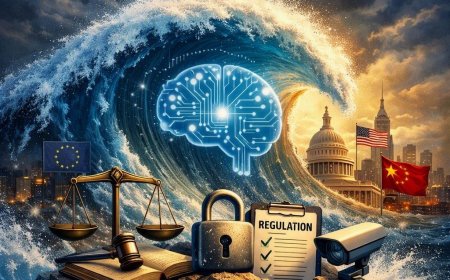
Fixing AI bias isn't just a coding problem—it's a human power and policy problem.
We can create all these smart technical fixes, but they're useless if we don't also answer the big-picture questions:
- Who gets to decide what "fair" means?
- What happens when a company's AI causes harm?
- How do we make sure this power isn't controlled by just a few giant companies?
Without clear rules, accountability, and laws that reward good behavior, all the best tech in the world won't stop AI from repeating history's harms.
A Simple Checklist for Building Better AI
Here are practical steps any organization can take:
- Start with the problem you want to solve for people, not with the cool tech you want to build.
- Have different kinds of people check your data and your results. Don't just rely on your own team.
- Test for those "what if" scenarios. See how your AI behaves in situations it hasn't seen before.
- Build your AI so it can be updated and corrected after it's released. Don't just launch it and forget it.
- Have a clear plan for what to do when it makes a mistake.
Our Past Is a Lesson, Not a Life Sentence
History is a resource, not a rulebook.
If we treat our data as the absolute, perfect truth, the AI we build will be trapped by our past.
But if we treat our data as flawed evidence—something to be challenged, corrected, and improved upon—we can use AI as a tool to design a very different future. The question isn't if AI will copy our history, but who gets to choose how we build a better one.
Written/published by Kevin Marshall with the help of AI models (AI Quantum Intelligence)
What's Your Reaction?
 Like
0
Like
0
 Dislike
0
Dislike
0
 Love
0
Love
0
 Funny
0
Funny
0
 Angry
0
Angry
0
 Sad
0
Sad
0
 Wow
0
Wow
0