








AI, Robotics & Automation in 2026: What’s Likely, What’s Not, and What Comes Next
An insightful analysis of what AI, robotics, and automation will realistically achieve in 2026—what’s likely, what’s not, and why it matters for the future.
As we move into 2026, artificial intelligence, robotics, and automation continue to accelerate—but not always in the ways public narratives suggest. The past few years have been defined by rapid breakthroughs in generative AI, heightened investment, and equally rapid recalibration as technical, economic, and regulatory realities set in. The next 12 months will be less about dramatic “AI awakening” moments and more about consolidation, refinement, and strategic integration.
This article explores three horizons of progress:
-
What is most likely to happen in 2026
-
What is unlikely or remains a stretch goal
-
What simpler milestones will almost certainly be surpassed
Finally, we reflect on what this trajectory means for society, industry, and innovation over the near and mid-term.
1. What Is Most Likely to Happen in 2026
1.1 AI Becomes Quietly Embedded Across Workflows
The most probable advancement is not dramatic autonomy, but invisible integration. AI tools will continue to move from experimental to infrastructural.
Expect:
-
AI copilots embedded directly into productivity software (email, spreadsheets, IDEs, CRM systems).
-
Domain-specific AI assistants in healthcare, finance, law, and engineering that operate under tighter constraints and clearer accountability.
-
Fewer “wow” demos, more dependable daily utility.
In short, AI will feel less magical—and more indispensable.
1.2 Robotics Advances Through Specialization, Not Generalization
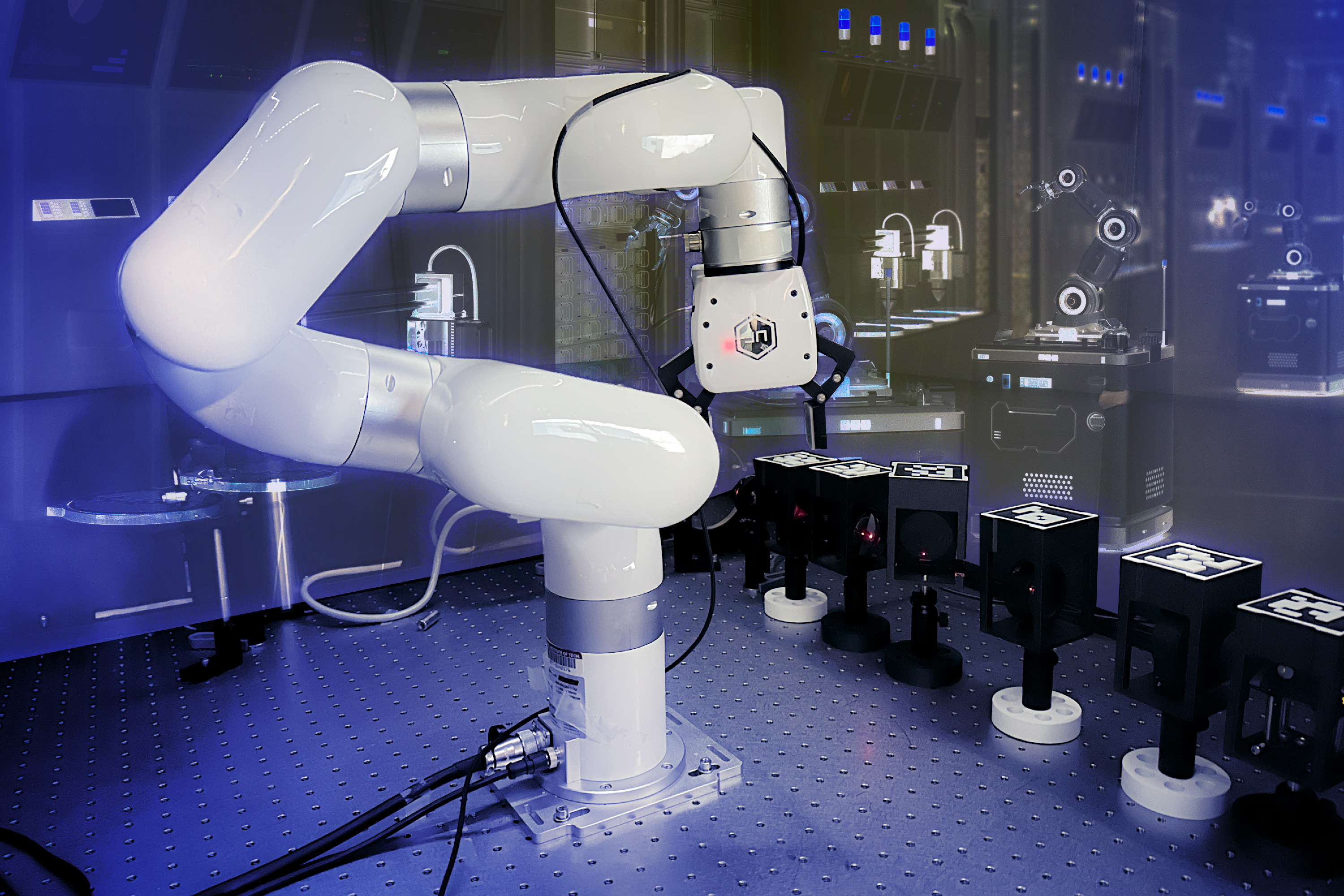
Humanoid robots will continue to dominate headlines, but real progress will come from task-specific automation:
-
Warehousing robots with better spatial reasoning and safer human interaction.
-
Agricultural robotics improving harvesting, monitoring, and precision treatment.
-
Logistics and last-mile delivery robots expanding in controlled environments (campuses, factories, warehouses).
These systems will not be “general-purpose,” but they will become economically viable at scale.
1.3 Automation Becomes a Management Problem, Not a Technical One
Organizations will increasingly struggle not with what AI can do, but with:
-
Governance
-
Data quality
-
Workflow redesign
-
Human trust and adoption
The bottleneck shifts from compute and models to organizational readiness.
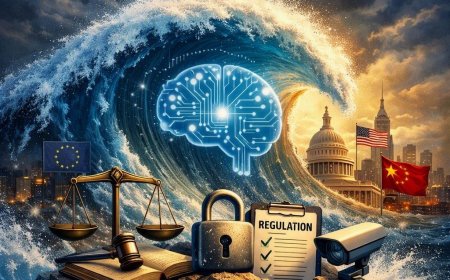
1.4 Regulation and Standards Begin to Stabilize
2026 will likely bring:
-
Clearer AI compliance frameworks (especially in the EU, Canada, and parts of Asia).
-
Industry-specific best practices rather than sweeping bans or universal rules.
-
Increased emphasis on auditability, transparency, and risk classification.
This will slow some experimentation—but accelerate enterprise adoption.
2. Stretch Goals: What Is Unlikely to Materialize (Yet)
2.1 Artificial General Intelligence (AGI)
Despite marketing narratives, AGI will not emerge in 2026.
Key blockers:
-
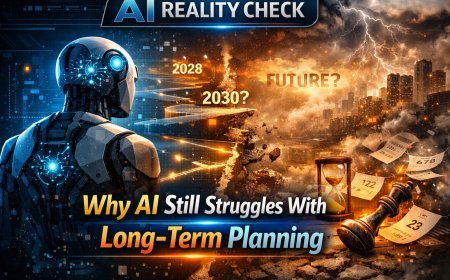
Lack of robust reasoning and long-term planning
-
Fragility outside training distributions
-
Enormous compute and energy costs
-
Absence of grounded, embodied understanding
Progress will continue—but within narrow bands of capability.
2.2 Fully Autonomous Physical Systems at Scale
We will not see:
-
Fully autonomous factories with minimal human oversight
-
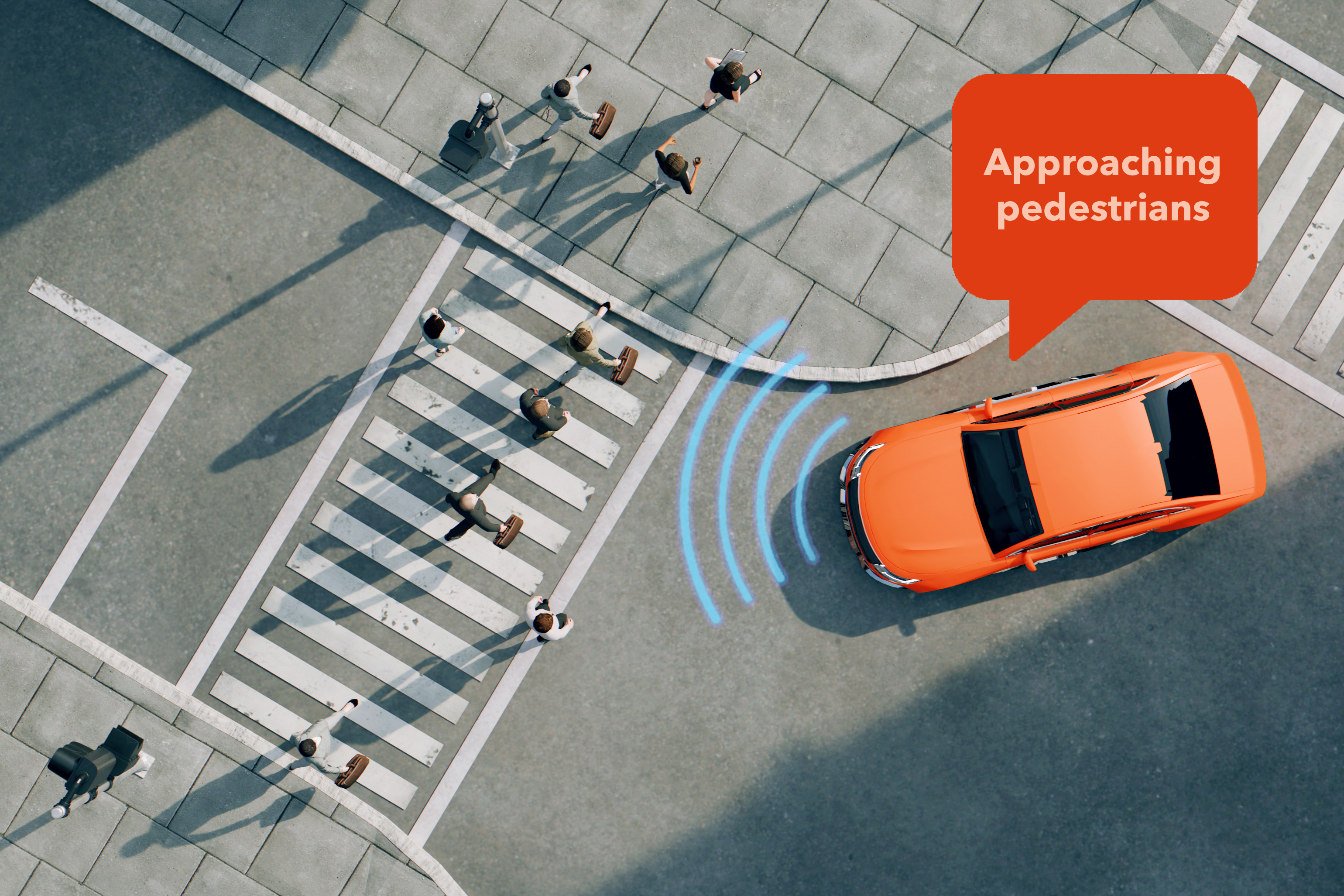
Self-driving vehicles operating safely everywhere
-
Humanoid robots performing generalized household labor
The real-world remains too unpredictable, and edge-case handling remains a core unsolved problem.
2.3 AI Replacing Large Portions of the Workforce
Job displacement narratives will continue, but mass automation-driven unemployment will not materialize in 2026.
Instead:
-
Roles will be reshaped rather than eliminated.
-
Demand will grow for “AI-literate” professionals.
-
Human judgment, context, and ethics will remain essential.
3. The “Quiet Wins”: What We Will Almost Certainly Surpass
These are the understated but powerful advances most likely to exceed expectations.
3.1 Improved Model Efficiency
-
Smaller, cheaper models with near-frontier performance.
-
More on-device and edge AI.
-
Reduced energy and compute costs per task.
This democratizes access and accelerates innovation outside large tech firms.
3.2 Better Human–AI Collaboration
We’ll see:
-
More intuitive interfaces
-
Fewer hallucinations through constrained reasoning and verification layers
-
Improved trust calibration (knowing when not to rely on AI)
AI becomes less of a “black box” and more of a collaborator.
3.3 AI as a Force Multiplier for Creativity and Analysis
Expect notable gains in:
-
Research synthesis
-
Design iteration
-
Software development acceleration
-
Scenario modeling and simulation
Not replacement—amplification.
4. The Bigger Picture: Why This Matters
The real story of 2026 is not technological dominance, but alignment between capability and purpose.
We are transitioning from:
“What can we build?”
to
“What should we responsibly deploy?”
This shift matters because it determines whether AI becomes:
-
A destabilizing force of automation without accountability
or -
A foundational layer that enhances human capacity across industries
The next year will not deliver science fiction. But it will quietly set the foundation for the next decade—where AI systems become dependable collaborators, robotics becomes economically practical, and automation reshapes work in ways that are evolutionary rather than catastrophic.
In that sense, 2026 may not feel revolutionary—but it may be the year that makes the future sustainable.
Written/published by Kevin Marshall with the help of AI models (AI Quantum Intelligence).
What's Your Reaction?
 Like
0
Like
0
 Dislike
0
Dislike
0
 Love
0
Love
0
 Funny
0
Funny
0
 Angry
0
Angry
0
 Sad
0
Sad
0
 Wow
0
Wow
0