





The Ultimate Pyramid of Knowledge: AI, Robotics, and IoT (2026)
This learning plan provides a hierarchical progression from foundational data science and mathematics to specialized fields like industrial robotics and edge AI. It bridges the gap between digital intelligence (ML/AI) and physical execution (Robotics/IoT), culminating in a 6-month curriculum using industry-standard free certifications. Tackle it all, or pick and choose your area of interest.
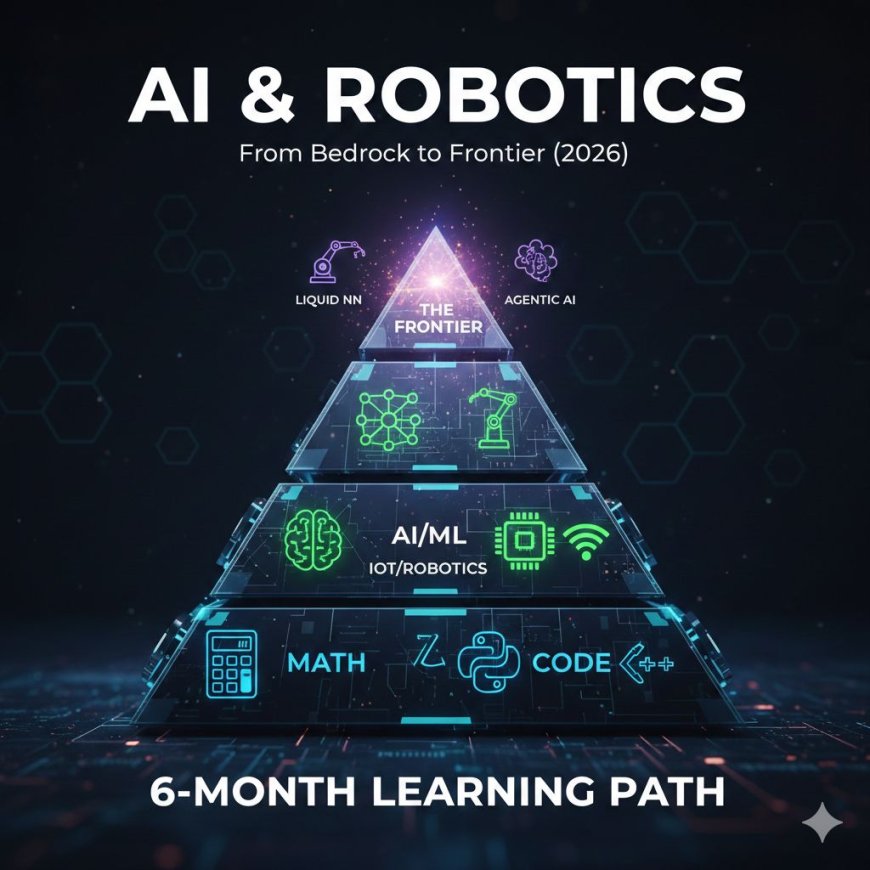
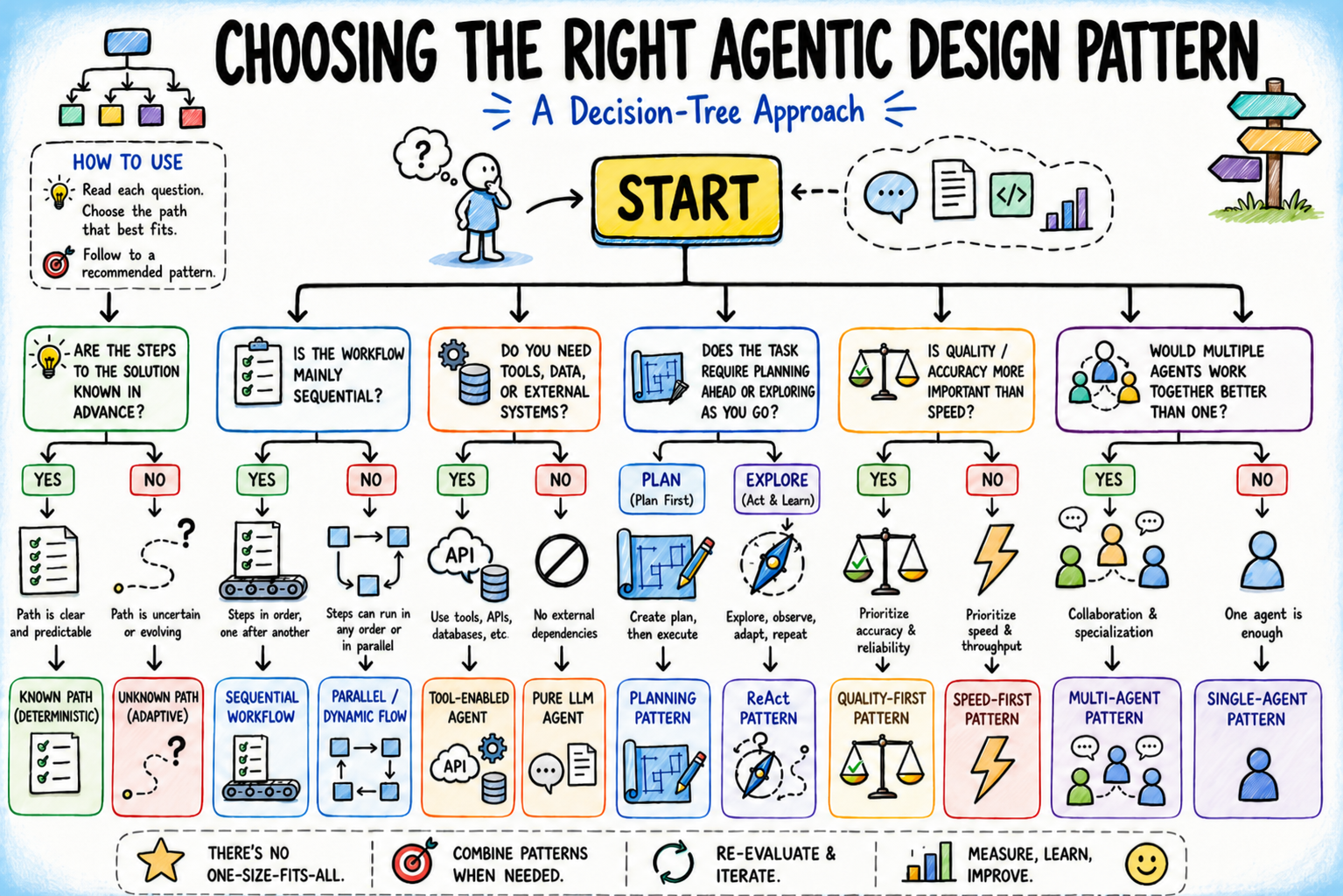
To master the intersection of AI, Robotics, and IoT, one must move from the abstract logic of code to the physical constraints of hardware. This article provides a structured list as a "Knowledge Pyramid," starting with the foundational bedrock and climbing toward the specialized, obscure frontiers of 2026. Tackle it all, or focus on the specific parts that you find most useful or interesting to your situation. Regardless, the structured list provides context for anything you may learn in the ever expanding domain of AI and related technologies. It supports learning for interest and self-improvement, as well as learning for career development and progression.
Level 1: The Bedrock (Prerequisites)
Before touching an AI model, you must understand the language of data and the math of optimization.
- Linear Algebra & Calculus: Understanding tensors, matrix multiplication, and Gradient Descent (the engine of all AI).
- Probability & Inferential Statistics: Learning how machines handle uncertainty, Bayes' Theorem, and hypothesis testing.
- Programming Foundations: Mastery of Python (for ML) and C++ (for low-level robotics/IoT).
- Data Literacy & Wrangling: Using libraries like NumPy and Pandas to clean "noisy" real-world data.
Level 2: Core Artificial Intelligence & Data Science
Here, you transition from "coding" to "training" systems to find patterns.
- Supervised Learning: Regression, Decision Trees, and Support Vector Machines (SVM).
- Unsupervised Learning: Clustering (K-Means) and Dimensionality Reduction (PCA) to find hidden structures in data.
- Deep Learning (Neural Networks): Backpropagation, activation functions, and the architecture of Multi-Layer Perceptrons.
- Data Storytelling: Using Matplotlib or Tableau to turn cold numbers into actionable insights.
Level 3: Connectivity & Sensing (IoT & Automation)
This level introduces the "nervous system" of technology—how devices talk to each other.
- Sensors & Actuators: Learning how machines "feel" (Lidar, Ultrasonic, IMUs) and "move" (Servos, Stepper motors).
- Embedded Systems: Programming microcontrollers like ESP32 or Raspberry Pi for real-time tasks.
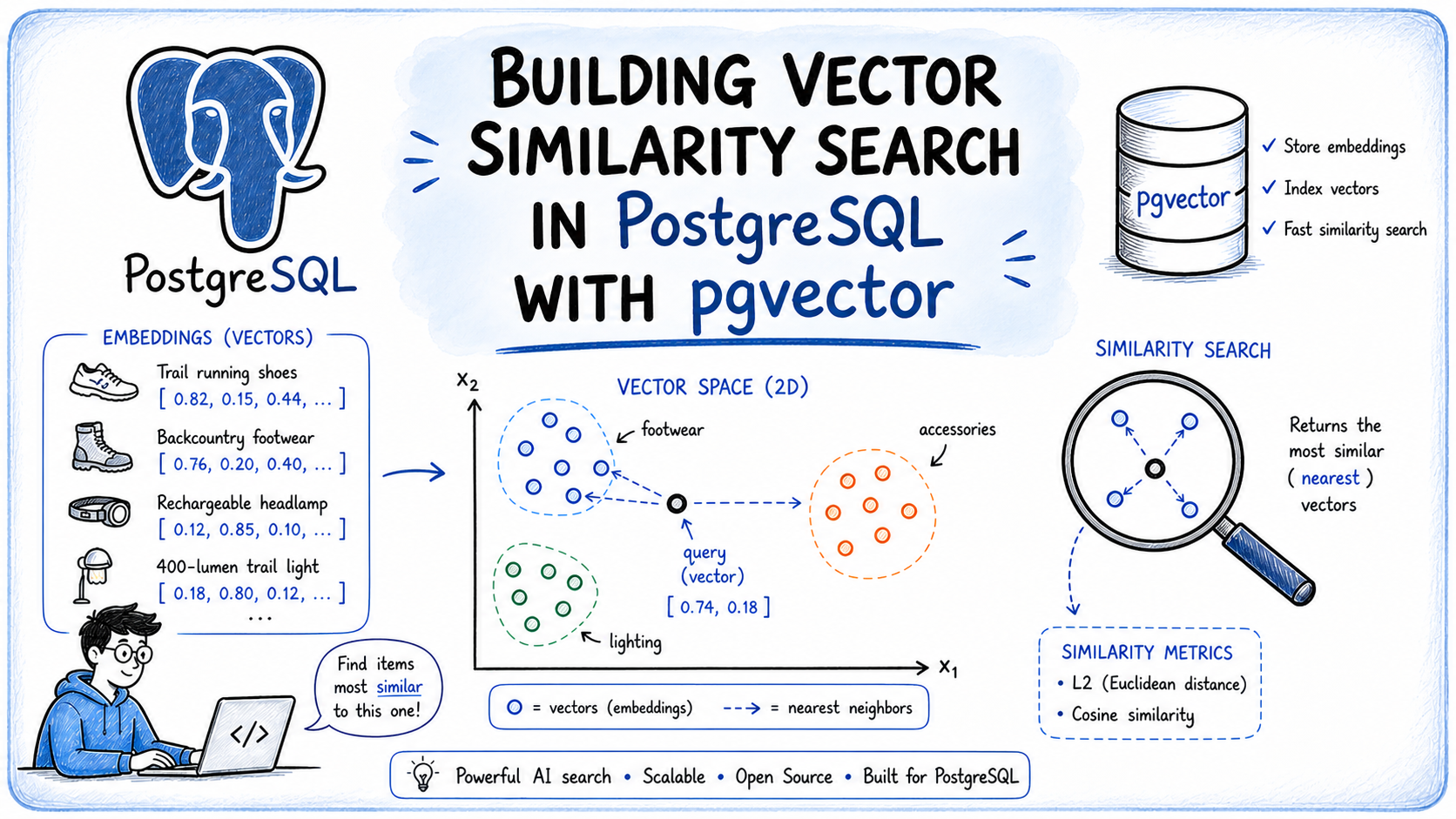
- Edge Computing: Processing AI models locally on the device rather than the cloud to reduce latency.
- Industrial Protocols: MQTT, Zigbee, and ROS 2 (Robot Operating System) for machine-to-machine communication.
Level 4: Physical AI & Advanced Robotics
Now, the AI is given a "body" to interact with the physical world.
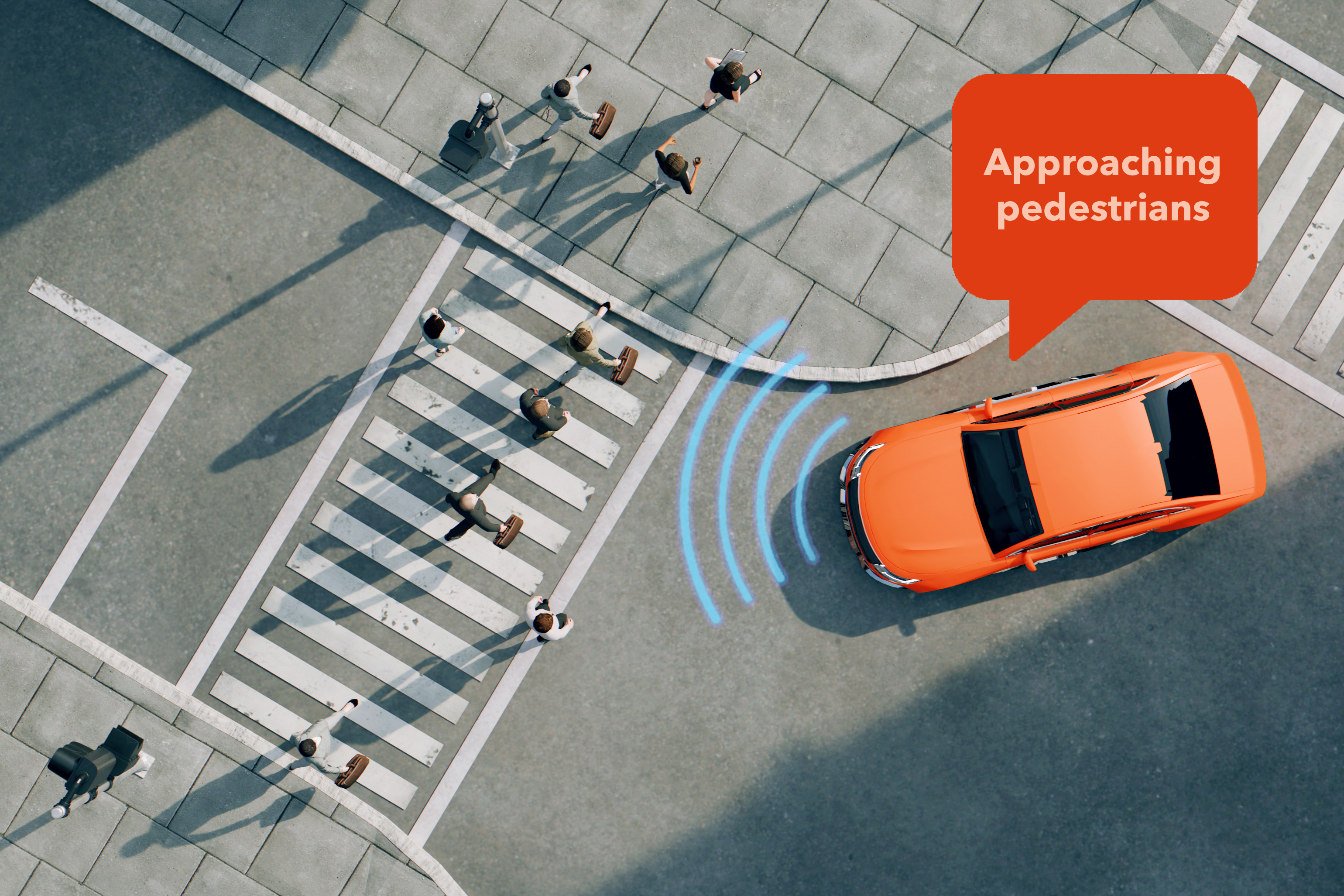
- Computer Vision (CV): Object detection (YOLO), image segmentation, and facial recognition.
- Reinforcement Learning (RL): Training agents through trial and error (Q-Learning) for navigation and gaming.
- Sim-to-Real Transfer: Using digital twins (NVIDIA Omniverse/Isaac Sim) to train robots in a virtual world before deploying them to the real one.
- Kinematics & Control: The math behind how a robotic arm moves without hitting itself (Inverse Kinematics).
Level 5: The Frontier (Obscure & Advanced Topics)
These are the cutting-edge concepts currently being debated in research labs in 2026.
- Agentic AI & World Models: Systems that don't just predict text but simulate "physics" to plan long-term actions (e.g., Google’s Genie).
- Liquid Neural Networks: Architectures where the "neurons" change their parameters dynamically in real-time based on the input flow.
- Neuromorphic Computing: Hardware that mimics the human brain's energy efficiency, allowing AI to run on tiny batteries for years.
- Swarm Intelligence: Decentralized coordination of thousands of small robots (drones or AMRs) without a central "leader."
- Federated Learning: Training AI across millions of devices without ever seeing the users' private data.
This 6-month schedule is designed to take you from a curious enthusiast to a technically capable practitioner. Each month builds on the previous one, transitioning from digital logic to physical automation.
A Practical Six-Month AI Learning Plan
Month 1: The Data & Math Foundation
Goal: Master the tools that allow machines to "think" using data.
- Key Topics: Python for Data Science, Linear Algebra, and Data Wrangling.
- Top Free Course: IBM: Python for Data Science, AI & Development (Coursera - Audit for free).
- Alternative: Harvard CS50P: Introduction to Programming with Python.
- Certification Opportunity: Cognitive Class (IBM) offers free badges for completing their Data Science paths.
Month 2: Machine Learning & Core AI
Goal: Understand how models learn from patterns without explicit programming.
- Key Topics: Regression, Classification, Clustering, and Scikit-Learn.
- Top Free Course: Machine Learning Zoomcamp by DataTalks.Club. This is highly regarded for being project-based and free.
- Alternative: Andrew Ng’s Machine Learning Specialization (Coursera - Audit for free).
Month 3: Deep Learning & Neural Networks
Goal: Dive into the "Brain" of AI—Neural Networks and Generative AI.
- Key Topics: Backpropagation, CNNs (Computer Vision), and Transformers (LLMs).
- Top Free Course: DeepLearning.AI: AI For Everyone (for high-level) followed by Fast.ai: Practical Deep Learning for Coders.
- Project: Build a simple image classifier or a custom chatbot using an API.
Month 4: IoT & Embedded Systems
Goal: Connect your code to the physical world via sensors and hardware.
- Key Topics: Microcontrollers (ESP32/Arduino), MQTT protocols, and Edge AI.
- Top Free Course: Cisco Networking Academy: Introduction to IoT and Digital Transformation.
- Hardware Practice: Buy a $10 ESP32 kit and follow the Random Nerd Tutorials (Free) to build a sensor-to-cloud dashboard.
Month 5: Robotics & ROS 2 (Robot Operating System)
Goal: Learn how to control complex robotic systems and simulations.
- Key Topics: Kinematics, Gazebo Simulation, and ROS 2 nodes/topics.
- Top Free Course: ETH Zurich: Programming for Robotics - ROS (Course materials and videos available for free).
- Alternative: The Construct: ROS 2 Basics in 5 Days (Free preview/introductory tracks).
Month 6: Deployment & The Frontier
Goal: Move from "it works on my laptop" to "it works in the real world."
- Key Topics: MLOps, Cloud Deployment (AWS/Azure), and Agentic AI.
- Top Free Course: DataTalks.Club: MLOps Zoomcamp.
- The "Obscure" Deep Dive: Spend this month reading research breakdowns on AI Quantum Intelligence to understand the 2026 landscape of Liquid Neural Networks and Swarm Intelligence.
Summary Table of Resources
|
Month |
Focus |
Primary Resource |
Estimated Time |
|
1 |
Math & Python |
Harvard CS50P |
10 hrs/week |
|
2 |
Machine Learning |
ML Zoomcamp |
12 hrs/week |
|
3 |
Deep Learning |
Fast.ai |
15 hrs/week |
|
4 |
IoT/Hardware |
Cisco NetAcad |
8 hrs/week |
|
5 |
Robotics |
ETH Zurich ROS |
15 hrs/week |
|
6 |
Deployment |
MLOps Zoomcamp |
10 hrs/week |
IMPORTANT - To get the Certificates for free on Coursera, look for the small "Audit" link when joining. You get all the knowledge, though the formal PDF certificate usually requires a fee. However, the Zoomcamps listed above provide free certificates upon project completion.
Written/published by Kevin Marshall with the help of AI models (AI Quantum Intelligence).
What's Your Reaction?
 Like
0
Like
0
 Dislike
0
Dislike
0
 Love
0
Love
0
 Funny
0
Funny
0
 Angry
0
Angry
0
 Sad
0
Sad
0
 Wow
1
Wow
1