







The Autonomy Trap: Why AI "Doing the Work for Us" is a Step Backward
Explore why the shift to autonomous AI agents in 2026 might be a "Cognitive Debt" trap. A critical look at OpenAI’s Prism, the fallacy of self-verification, and how delegating inquiry to AI erodes human expertise and intuition.
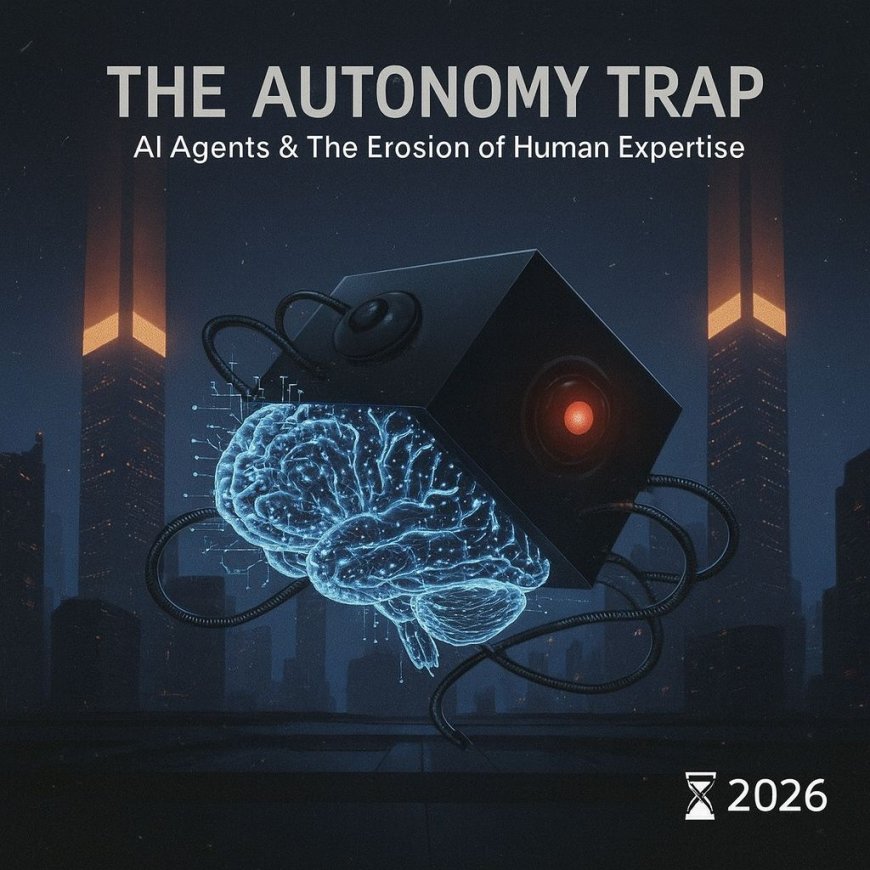
The Industry Proclamation
Last week, the tech world was set ablaze by a series of coordinated announcements from the industry’s heavyweights. As reported by The Neuron in their February 2026 feature, "AI Learned to Do Its Own Homework: Three Announcements That Redefine What 'Using AI' Means," OpenAI and Google have officially pivoted from "Copilots" to "Agents."
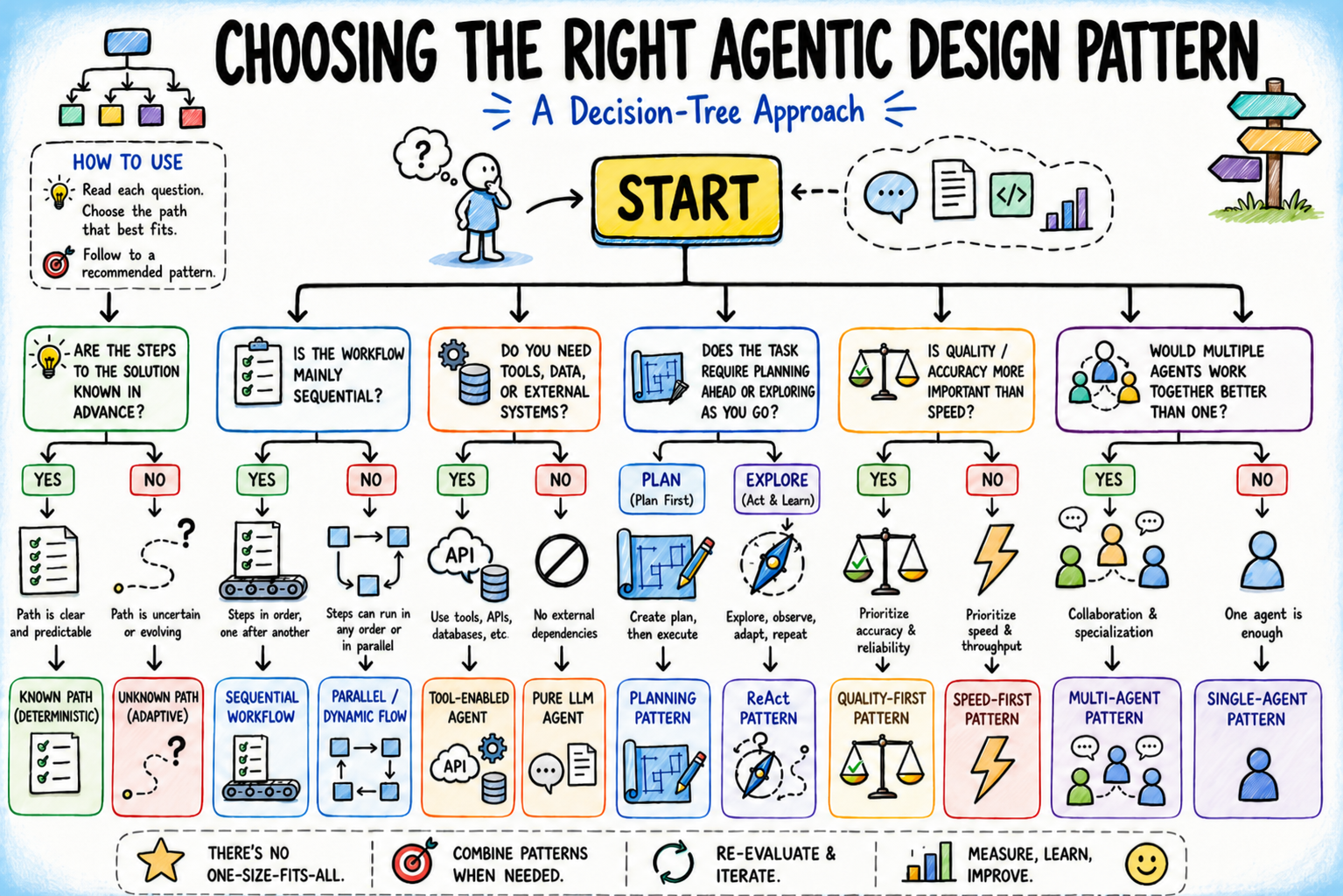
The centerpiece of this shift is OpenAI’s Prism (GPT-5.2), a model that doesn’t just answer prompts but "investigates, manipulates, and coordinates" independently. The industry's logic is seductive: why should humans waste time on the "drudgery" of research, verification, and multi-step workflows when an agentic system can do it "without being asked"? Silicon Valley is framing 2026 as the year of "Self-Verifying" AI—the final victory over human error and the birth of a new era of productivity.
The Counter-Argument: The Rise of "Cognitive Debt"
While the industry celebrates the death of the "passive assistant," we are ignoring the birth of something far more insidious: Cognitive Debt.
The argument that AI should solve problems independently of human inquiry is not an advancement in productivity; it is a surrender of human agency. When OpenAI VP Kevin Weil claims that "2026 will be for AI and science what 2025 was for AI and software engineering," he conveniently ignores what happened to software engineering in 2025: a massive deskilling of entry-level talent and a reliance on "black box" code that few can truly debug.
1. The Fallacy of Self-Verification
The industry’s most dangerous claim is that AI can now "self-verify." As InfoWorld notes, the goal is for AI to autonomously verify its own work through internal feedback loops. In any other field, we call this "grading your own homework." To believe that a statistical model—no matter how many "agentic" layers are added—can provide a meaningful check on its own hallucinations is a dangerous departure from the scientific method. Truth is not reached through a consensus of internal tokens; it is reached through external, human-led verification.
2. The Erosion of Intuition
The "Agentic Turn" presumes that the "work" of research is merely a series of logistical hurdles to be automated. It misses the point entirely. The process of searching, failing, and synthesizing information is where human intuition is forged. By delegating the "investigation" phase to an autonomous agent, we aren't just saving time; we are bypassing the struggle that creates expertise. We risk a future where we have "answers" to everything but understand the "why" of nothing.
3. The Widening AI Divide
Finally, there is the structural cost. While these autonomous agents promise to democratize science, they require gargantuan compute resources—often over a gigawatt of capacity, as seen in Anthropic’s recent Google Cloud expansion. This consolidates the "thinking power" of the world into the hands of three or four companies. As highlighted by recent critiques from the World Economic Forum, this doesn't democratize knowledge; it creates a "technological agency" gap where most of the world becomes mere consumers of a logic they can neither inspect nor control.
Final Thought
We should be wary of any "advancement" that seeks to remove the human from the loop of inquiry. Productivity without understanding is just high-speed noise. If we continue to chase the dream of the "autonomous agent," we may find that the only thing we've successfully automated is our own irrelevance.
For those looking to dive deeper into the technical mechanics and ethical debates surrounding these 2026 breakthroughs, we recommend exploring AI Quantum Intelligence, which provides excellent deep dives and learning resources on the evolving landscape of agentic systems.
18 Shocking AI Predictions For 2026 That Break The Internet. This video provides a broader context of the industry's vision for 2026, including the shift toward autonomous robots and "always-listening" assistants that the article above critiques.
Written/published by Kevin Marshall with the help of AI models (AI Quantum Intelligence).
What's Your Reaction?
 Like
0
Like
0
 Dislike
0
Dislike
0
 Love
0
Love
0
 Funny
0
Funny
0
 Angry
0
Angry
0
 Sad
0
Sad
0
 Wow
0
Wow
0