






The Human-AI Partnership: How AI Will Make Our Jobs More Human, Not Less
Forget the "humans vs. machines" narrative. Discover how the Human-AI partnership will elevate our careers by automating tedious tasks, freeing us to focus on the uniquely human skills of creativity, emotional intelligence, and strategic thinking.
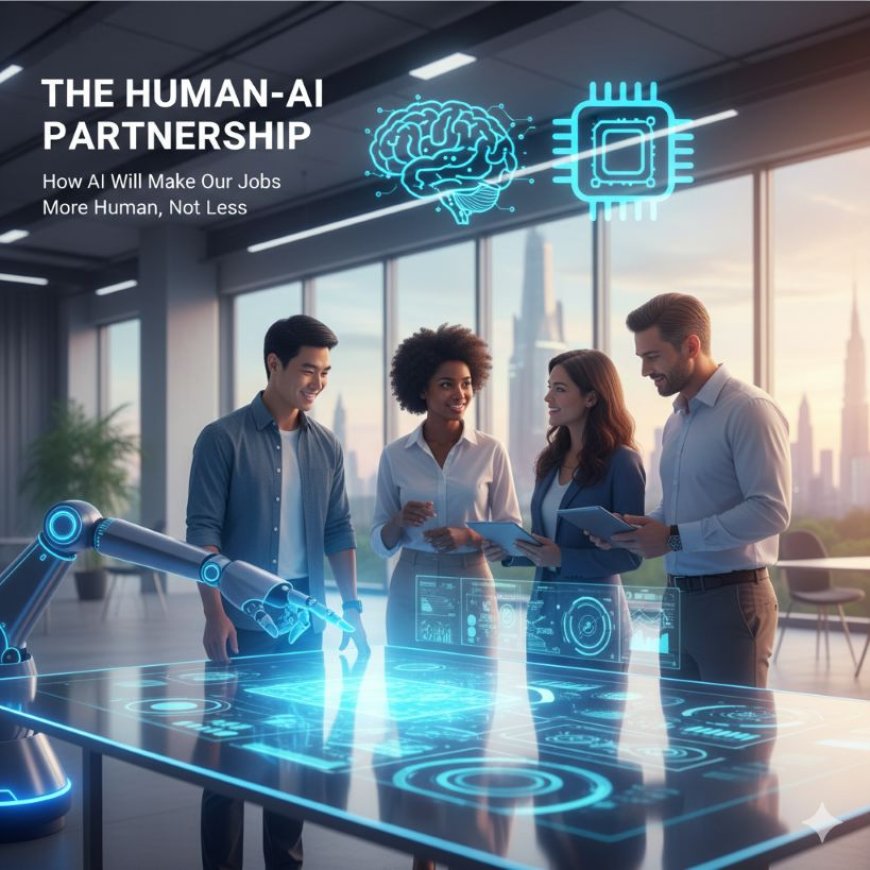
For years, the narrative around artificial intelligence, machine learning, and robotics has been dominated by a fear-mongering "humans vs. machines" showdown. We've been told repeatedly to brace ourselves for a future where robots steal our jobs and AI renders human skills obsolete. But what if this narrative is fundamentally flawed? What if, instead of a competition, we're on the cusp of an unprecedented partnership – one that doesn't diminish our humanity in the workplace, but amplifies it?
The truth is that AI and robotics are not designed to replace what makes us uniquely human. They are, however, exceptionally good at handling the repetitive, data-heavy, and dangerous tasks that often drain our energy and stifle our potential. By offloading these “burdens” to intelligent machines, we free up our time and energy to focus on what we do best: those innately human capacities that no algorithm can replicate.
Let's reframe this conversation. AI isn't here to take our jobs; it's here to make them more human. AI was born out of human ingenuity and our drive to improve the human condition.
The Power of Augmentation: AI as Our Co-Pilot
Imagine a world where your most tedious and draining tasks are effortlessly handled by an intelligent assistant. This isn't science fiction; it's the present reality in many forward-thinking industries.
Creativity and Innovation: Unleashing the Human Spark
AI can sift through vast datasets, identify patterns, and even generate preliminary ideas, but it cannot conceive of true novelty or revolutionary concepts born from intuition and experience. This is where human creativity truly shines.
Consider a marketing team. Instead of spending hours manually analyzing market trends or compiling competitor data, AI can do this in moments, providing actionable insights. This frees up the human team to brainstorm groundbreaking campaigns, develop unique brand narratives, and craft emotionally resonant messages. The AI handles the grunt work, allowing the humans to focus on the truly innovative and impactful.
Emotional Intelligence: Deepening Connections
In an increasingly automated world, emotional intelligence becomes an even more valuable commodity. Building genuine relationships, leading and motivating teams, and providing truly compassionate service are uniquely human strengths. AI can process customer data and predict needs, but it cannot empathize, build trust, or offer comfort in a moment of distress.
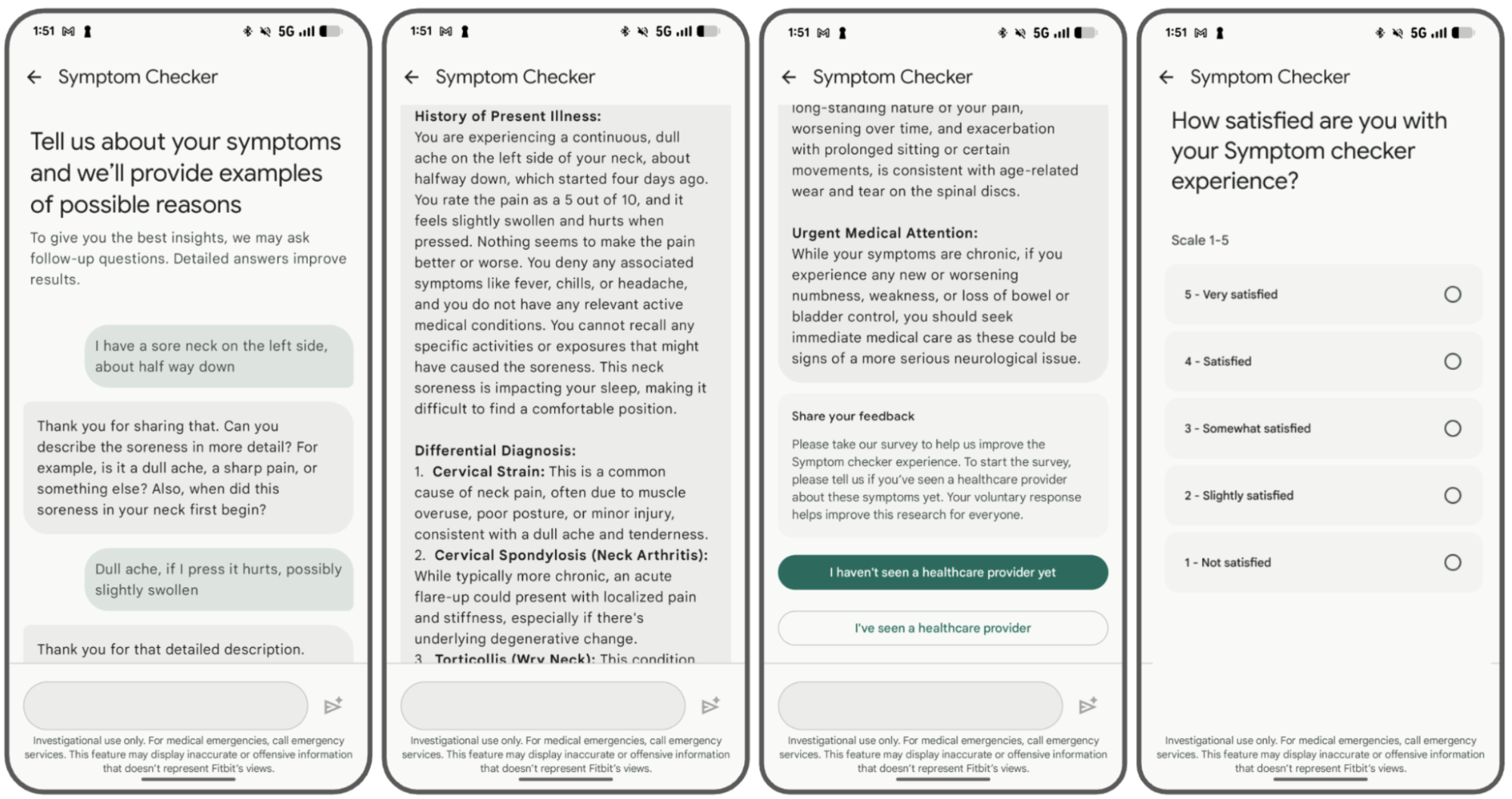
Think about the healthcare sector. AI-powered diagnostics can analyze medical images and patient data with unparalleled speed and accuracy, identifying potential issues that might be missed by the human eye.

This incredible efficiency allows doctors to spend more precious time with their patients, engaging in meaningful conversations, explaining complex conditions with empathy, and offering the human reassurance that is vital to healing. The AI handles the "what," while the doctor focuses on the "how" and the "why" in a deeply personal way.
Critical Thinking and Strategy: The Apex of Human Judgment
AI excels at identifying correlations and predicting outcomes based on existing data. However, true critical thinking involves navigating ambiguity, making ethical judgments, and developing long-term strategies that account for unforeseen variables and human behavior. AI provides insights; humans make the high-level decisions. This is similar to the DIKW model, where data is processed and organized into information, information is understood, applied and experienced as knowledge, and knowledge is transformed into wisdom. Data and information are for AI to deal with, while humans will focus on generating, sharing and applying knowledge and wisdom.
Consider the legal profession. Legal research, document review, and even the drafting of routine contracts can be significantly automated by AI. This allows lawyers to dedicate more time to complex case strategy, ethical considerations, and nuanced negotiations that demand human judgment and understanding of justice.

AI acts as a powerful assistant, providing the data and context, but the ultimate strategic direction and ethical compass remain firmly in human hands.
Embracing the Future: A Call to Action
The increasing integration of AI and robotics into our workplaces is not a threat to our humanity, but an invitation to rediscover and amplify it. This shift demands that we cultivate and value those uniquely human skills that AI cannot replicate. Education and training programs must adapt to foster creativity, emotional intelligence, and critical thinking, preparing the workforce for a future where collaboration with intelligent machines is the norm.
The "humans vs. machines" narrative is a relic of a bygone era. The future belongs to the "human-AI partnership," a synergy where the strengths of both unlock unprecedented levels of productivity, innovation, and job satisfaction. By embracing this partnership, we can not only secure our place in the evolving world of work but also create more fulfilling, impactful, and, paradoxically, more human jobs for everyone. The opportunity is not just to survive the age of AI, but to thrive in it, making our work more meaningful than ever before.
Written/published by Kevin Marshall with the help of AI models (AI Quantum Intelligence)
What's Your Reaction?
 Like
0
Like
0
 Dislike
0
Dislike
0
 Love
0
Love
0
 Funny
0
Funny
0
 Angry
0
Angry
0
 Sad
0
Sad
0
 Wow
0
Wow
0