







The Rise of Anti-AI Tools Countering the Risks of Artificial Intelligence
Explore the dangers of unchecked AI and RPA automation—from biased algorithms to financial disasters like Knight Capital’s $440M crash. Discover anti-AI tools, human-in-the-loop safeguards, and regulatory solutions to prevent AI medical errors, deepfake scams, and automated process failures. Learn how to balance innovation with safety.
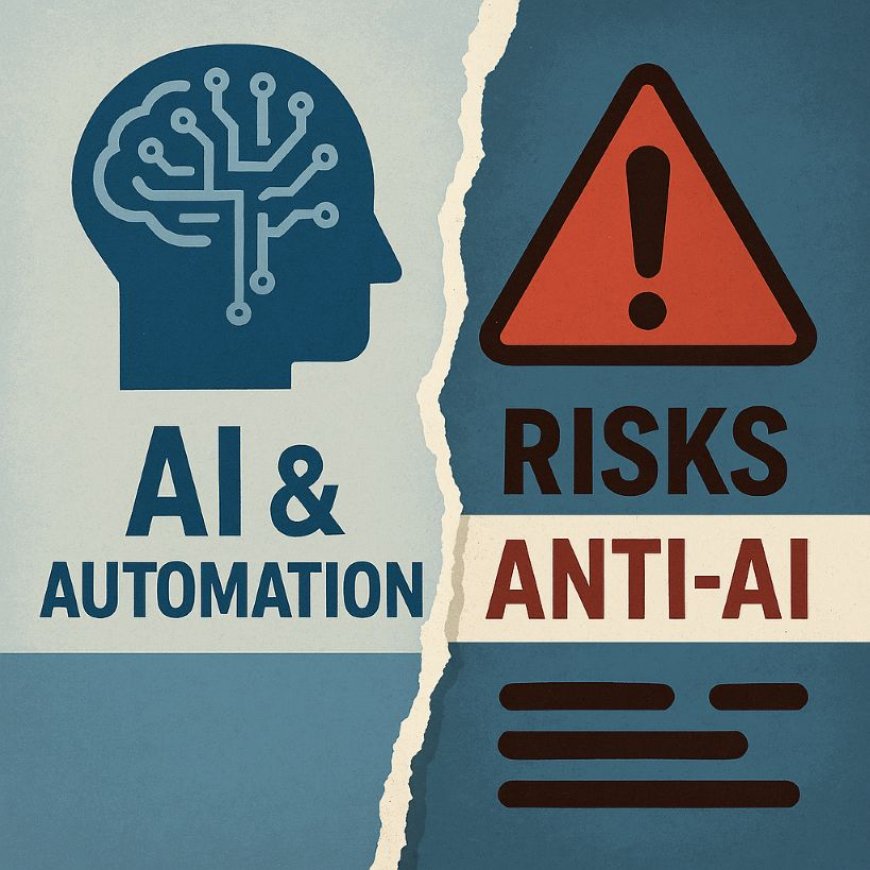
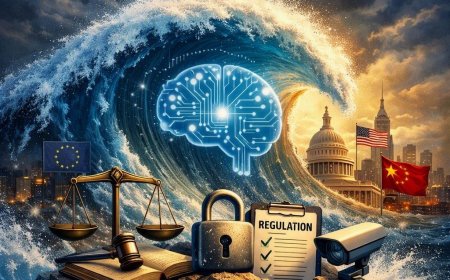
Artificial Intelligence (AI) and automation has revolutionized industries, from healthcare to finance, by automating processes, enhancing decision-making, and improving efficiency. However, as AI adoption accelerates, so do its risks—errors, biases, and unintended consequences that can lead to serious harm. In response, a new wave of "anti-AI" tools, methods, and processes has emerged to mitigate these dangers.
This article explores:
AI’s potential for harm—cases where AI has caused injury, financial loss, or reputational damage.
RPA and automation gone wrong—when speed and efficiency backfire.
"Anti-AI" solutions—tools and strategies designed to counteract AI’s flaws.
The future of oversight—how businesses and regulators can protect against AI and RPA failures.
When AI Goes Wrong: Real-World Cases of Harm
AI is not infallible. Errors in training data, algorithmic biases, and flawed decision-making have led to catastrophic outcomes, including:
1. Medical Misdiagnoses & Harm to Patients
- IBM Watson for Oncology was found to give unsafe treatment recommendations due to limited training data, potentially endangering cancer patients (STAT News, 2018).
- AI-powered radiology tools have misclassified tumors, leading to unnecessary surgeries or delayed treatments.
2. Financial & Legal Consequences of AI Bias
- Automated hiring tools (like Amazon’s scrapped AI recruiter) discriminated against women by downgrading resumes containing words like "women’s" (Reuters, 2018).
- AI-based credit scoring has been found to disproportionately deny loans to minorities due to biased historical data.
3. Autonomous Systems Causing Physical Harm
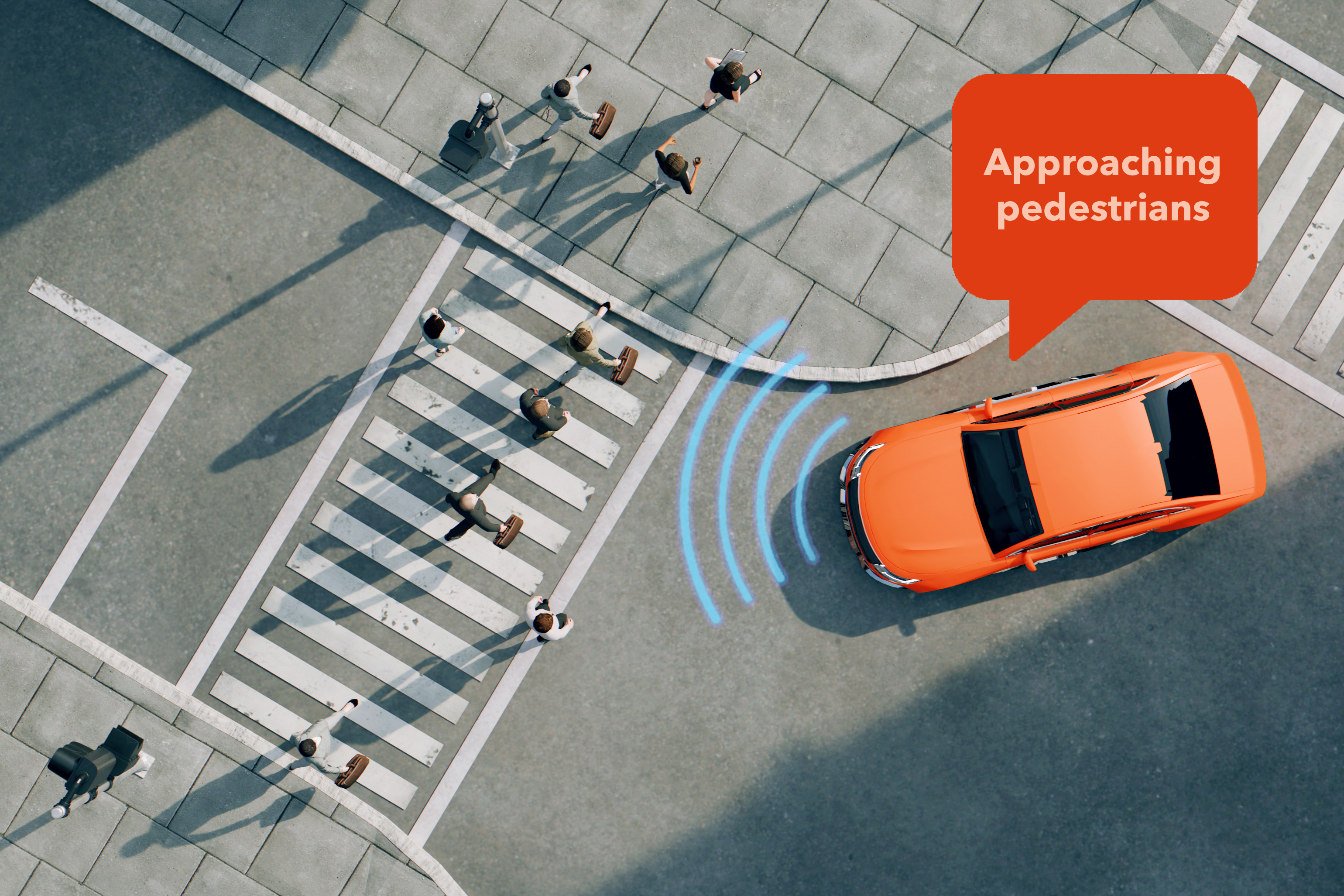
- Self-driving car fatalities (e.g., Uber’s 2018 crash that killed a pedestrian due to sensor failure).
- Faulty military AI—autonomous drones misidentifying civilians as combatants.
4. Misinformation & Deepfake Damage
- AI-generated deepfakes have been used in scams, political manipulation, and revenge porn, ruining reputations.
- ChatGPT & other LLMs spreading false medical or legal advice with high confidence.
When Automation Backfires: RPA and Process Risks
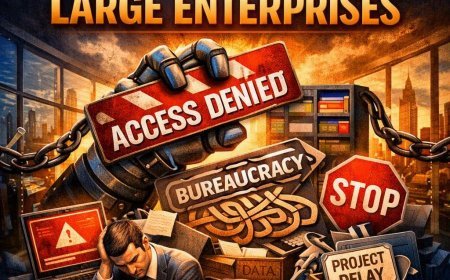
While Robotic Process Automation (RPA) improves efficiency, blindly trusting automated workflows can lead to massive financial losses, compliance breaches, and operational disasters.
1. The $440 Million Knight Capital Glitch (2012)
- A faulty automated trading algorithm executed millions of erroneous stock trades in 45 minutes, leading to a $440 million loss and the firm’s collapse.
- Human oversight could have stopped it—but the system ran unchecked.
2. Zillow’s AI-Powered Home-Buying Disaster (2021)
- Zillow’s automated valuation model (AVM) overestimated home prices, leading to $881 million in losses and mass layoffs.
- A slower, human-reviewed process would have caught pricing errors.
3. Microsoft’s Tay AI Chatbot (2016)
- An automated Twitter bot turned into a racist, sexist troll within hours due to unfiltered user inputs.
- No human moderation was in place to stop harmful interactions.
4. Automated Customer Service Failures
- Banking chatbots approving fraudulent transactions because they couldn’t detect social engineering.
- RPA payroll errors—automated systems paying employees $0 or double salaries due to incorrect logic.
5. Tesla’s "Full Self-Driving" Missteps
- Over-reliance on automation led to crashes where drivers assumed the AI was safer than it was.
- Regulators forced Tesla to recall FSD after finding it increased accident risks.
"Anti-AI" Tools & Methods: Fighting Back Against AI Risks
To combat these dangers, researchers and companies are developing counter-AI technologies and processes:
1. AI Explainability & Audit Tools
- IBM’s AI Fairness 360 – Detects and mitigates bias in machine learning models.
- Google’s What-If Tool – Tests AI models for fairness and accuracy before deployment.
- LIME & SHAP – Explain AI decisions to ensure transparency.
2. Adversarial AI Detection
- Deepfake detectors (e.g., Microsoft’s Video Authenticator, Intel’s FakeCatcher).
- AI-generated text detectors (GPTZero, OpenAI’s classifier for AI-written content).
3. Human-in-the-Loop (HITL) Processes
- Requiring human review for critical AI decisions (e.g., medical diagnoses, loan approvals).
- Red teaming AI models – Ethical hackers stress-test AI to find vulnerabilities.
4. Regulatory & Compliance Frameworks
- EU AI Act – Classifies AI risks and bans harmful uses (e.g., social scoring).
- U.S. NIST AI Risk Management Framework – Guidelines for trustworthy AI development.
5. RPA Monitoring & Exception Handling
- Automated process mining to detect workflow errors before they escalate.
- Fallback protocols—when automation fails, humans are alerted immediately.
6. AI "Immunization" Against Attacks
- Adversarial training – Strengthening AI against data poisoning and manipulation.
- Differential privacy – Protecting training data from exploitation.
The Future of AI: Balancing Innovation, Speed & Safety
AI’s rapid advancement demands proactive risk management. Key steps include:
✔ Mandatory AI/RPA audits for high-stakes applications (healthcare, finance, law).
✔ Stricter penalties for harmful AI and RPA/automation deployments.
✔ Public awareness campaigns on AI risks and detection tools.
As AI grows more powerful, and automation becomes more and more pervasive, so must our defenses against their failures. Automation should assist—not replace—human judgment. "Anti-AI" tools are not about stopping progress—they’re about ensuring AI remains safe, fair, and accountable.
Final Thoughts
AI and RPA are powerful, but without safeguards, they can cause irreversible harm. By embracing anti-AI tools, human oversight, and smart regulations, we can harness automation’s benefits while minimizing its dangers.
What do you think? Should companies slow down AI/RPA adoption until safety improves? Share your thoughts below!
Written/published by Kevin Marshall with the help of AI models (AI Quantum Intelligence)
What's Your Reaction?
 Like
0
Like
0
 Dislike
0
Dislike
0
 Love
0
Love
0
 Funny
0
Funny
0
 Angry
0
Angry
0
 Sad
0
Sad
0
 Wow
0
Wow
0