











The 7 Tiers of Robotic Autonomy: From Teleoperation to Self-Evolving Agents
This framework scales from basic "puppet-string" control to machines that effectively rewrite their own operational logic. For an advanced tech blog, this list highlights how ML feedback loops and IoT sensor fusion drive the transition between tiers. Published by AI Quantum Intelligence.
1. Tier 1: Manual Teleoperation (The "Puppet" Phase)
At this level, the robot has zero decision-making power. It is a physical extension of a human operator, typically controlled via low-latency links, joysticks, or haptic suits.
-
Key Tech: High-bandwidth IoT for real-time video/haptic feedback.
-
Use Case: Deep-sea exploration or remote bomb disposal where human intuition is non-negotiable.
2. Tier 2: Assisted Autonomy (The "Steady Hand")
The human is still in full control, but the robot provides "action support." It uses basic sensor data to smooth out movements, maintain stability, or prevent collisions with the immediate environment.
-
Key Tech: PID controllers and basic proximity sensors.
-
Use Case: Surgical robots that filter out a surgeon’s hand tremors or drones that maintain a hover altitude automatically.
3. Tier 3: Conditional Task Execution (Pathfinding & Avoidance)
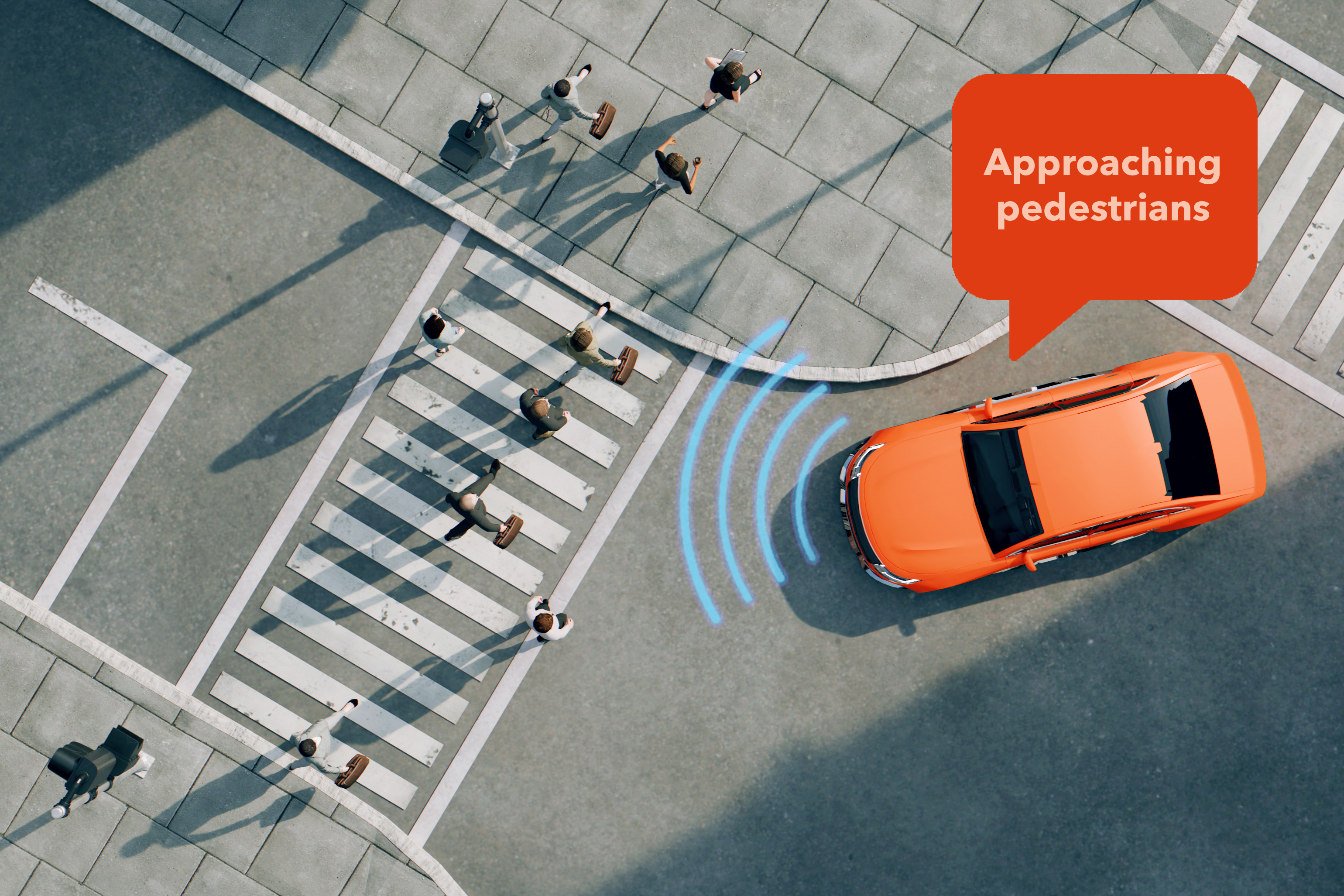
The robot can perform a specific task (like moving from point A to point B) independently, provided the environment is relatively predictable. It can detect obstacles and re-route in real-time without asking for permission.
-
Key Tech: SLAM (Simultaneous Localization and Mapping) and Computer Vision.
-
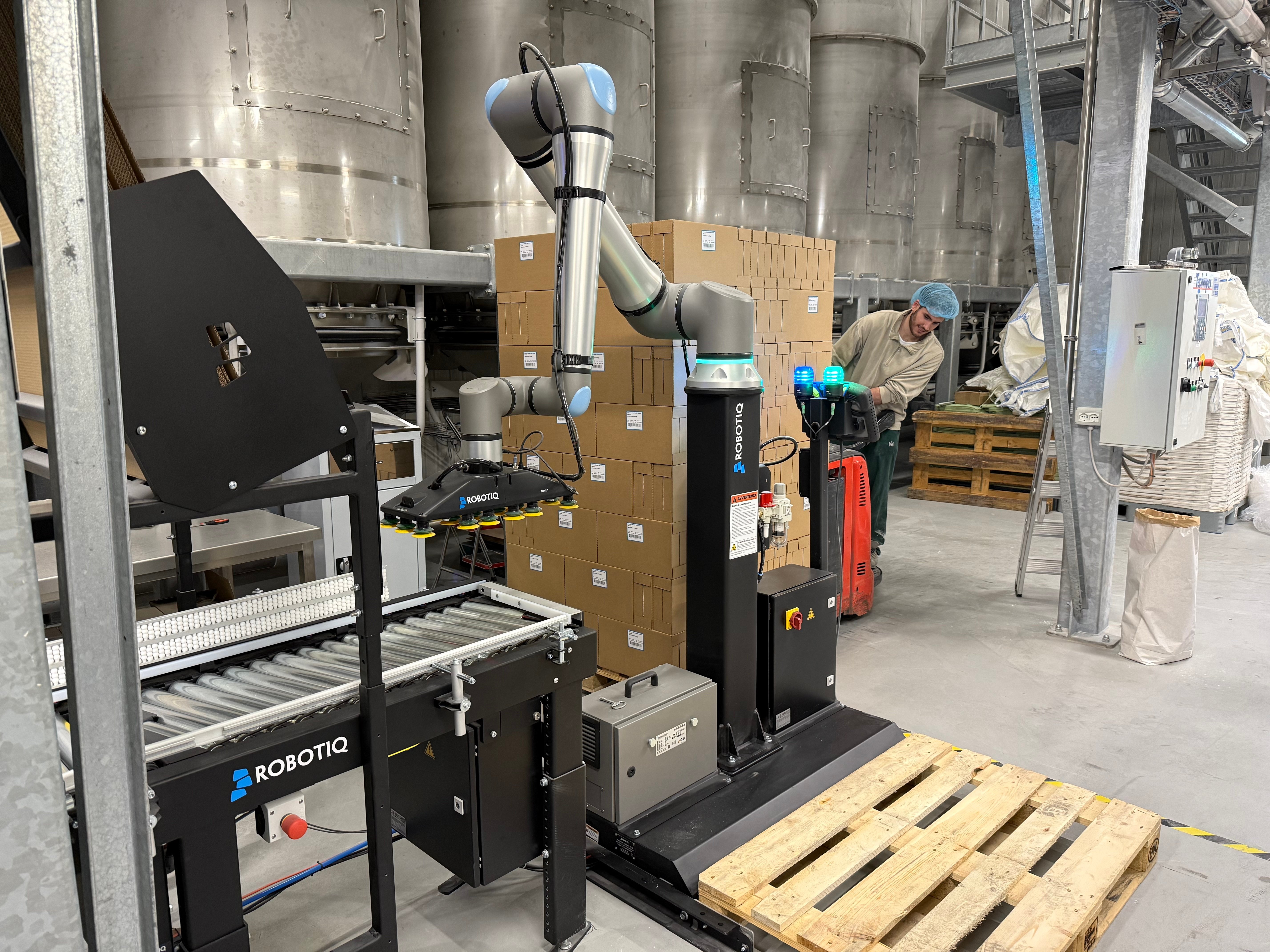
Use Case: Warehouse AMRs (Autonomous Mobile Robots) navigating around pallets and workers.
4. Tier 4: Supervised Contextual Autonomy (Mind-Off, Eyes-On)
The robot handles the entire mission logic and makes tactical decisions (e.g., "Which aisle should I pick first?"). A human supervisor monitors multiple units simultaneously but only intervenes when the robot encounters a "novelty" it cannot resolve.
-
Key Tech: Edge AI for local inference and IoT fleets for "swarm" status reporting.
-
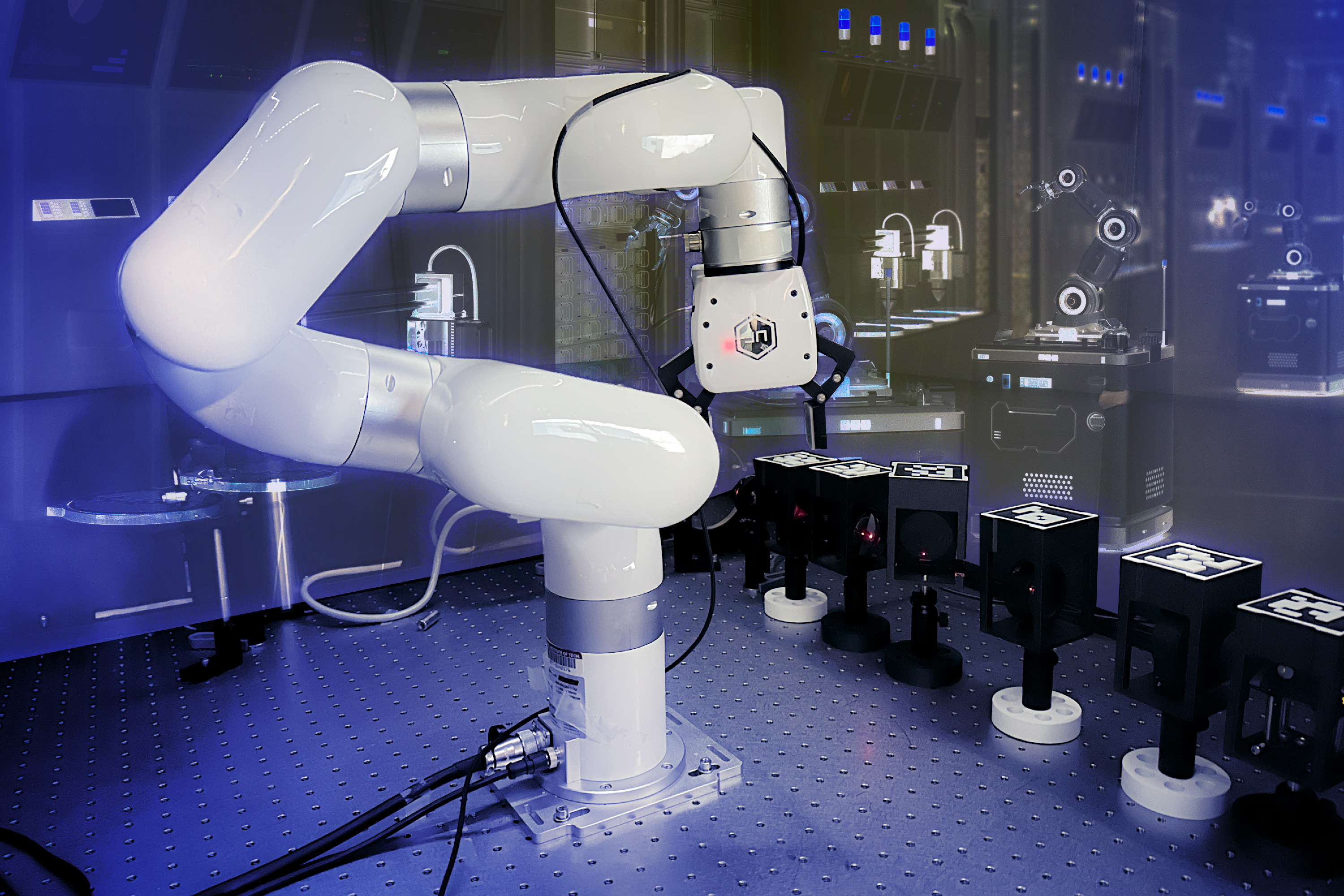
Use Case: "Dark" factories where one operator manages a fleet of 20+ robotic arms.
5. Tier 5: Collaborative Interaction (Socially Aware Cobots)
This tier introduces Human-Robot Interaction (HRI). The robot doesn't just avoid humans; it understands their intent. It uses NLP and computer vision to work side-by-side with people in unmapped, shared workspaces.
-
Key Tech: Large Language Models (LLMs) for instruction and Multi-modal ML for gesture recognition.
-
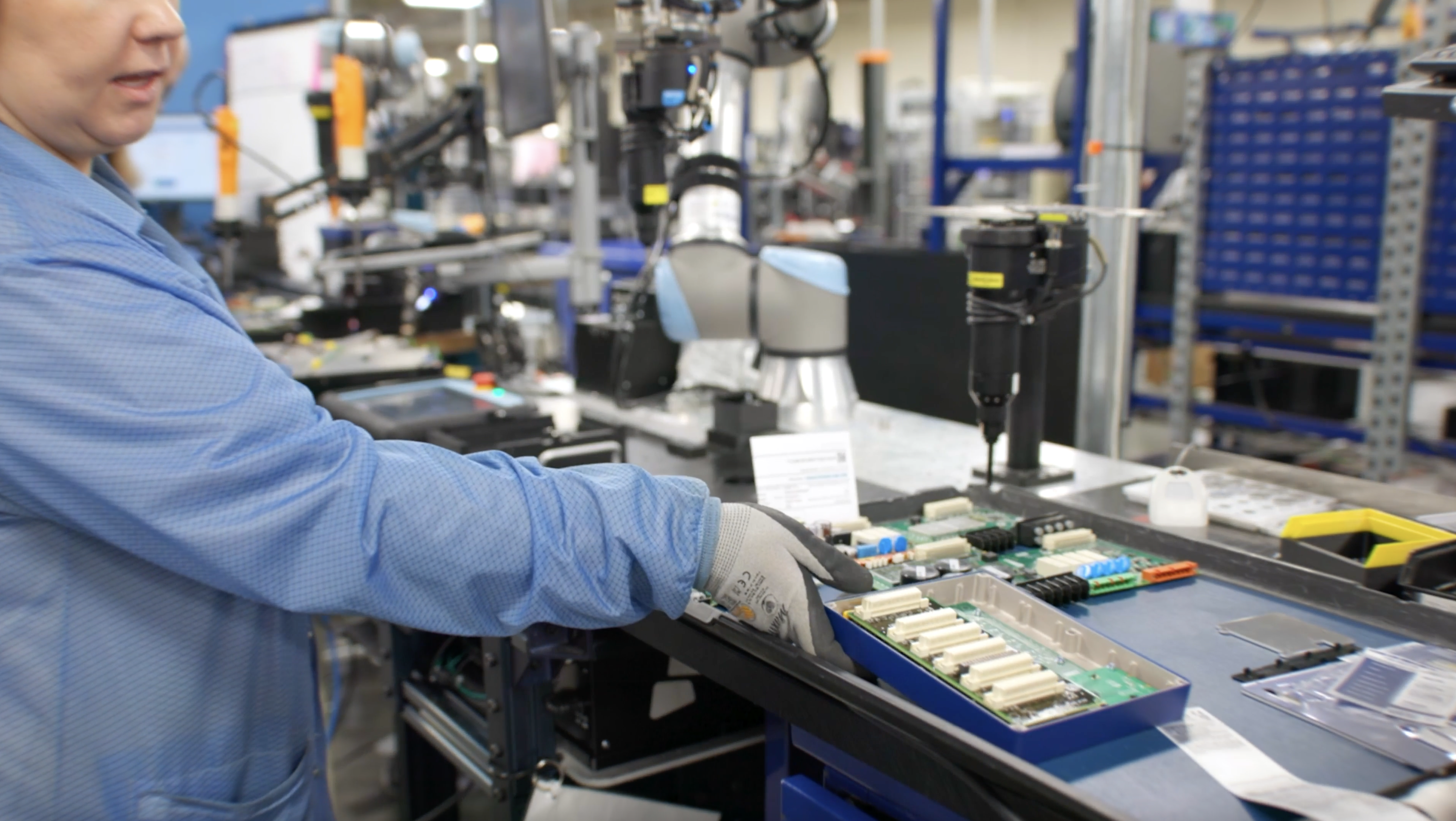
Use Case: Collaborative robots (Cobots) on an assembly line that "hand" tools to workers based on visual cues.
6. Tier 6: Full Mission Autonomy (The Independent Agent)
The robot is given a high-level goal (e.g., "Repair the damaged relay on the north ridge") and must figure out the "how" entirely on its own. It handles its own power management, repair protocols, and environmental adaptations without any external link.
-
Key Tech: On-board Transformer models and sophisticated sensor fusion (LiDAR, Radar, Thermal).
-
Use Case: Extraterrestrial rovers or long-range autonomous underwater vehicles (AUVs).
7. Tier 7: Self-Evolving Agents (Recursive Self-Optimization)
The pinnacle of robotics. These systems don't just execute code; they improve it. Using Reinforcement Learning (RL) and "self-play" in internal simulations, the robot identifies inefficiencies in its own movement or logic and patches its own firmware to evolve.
-
Key Tech: Meta-Learning, Neural Architecture Search (NAS), and Digital Twins for safe simulation.
-
Use Case: Future "Self-Healing" infrastructure robots that learn to navigate environments they weren't originally designed for.
What's Your Reaction?
 Like
0
Like
0
 Dislike
0
Dislike
0
 Love
0
Love
0
 Funny
0
Funny
0
 Angry
0
Angry
0
 Sad
0
Sad
0
 Wow
0
Wow
0