











The Silent Revolution: Why AI Agents Are the Next Evolution of Automation
Explore AI Agents (Agentic AI), the next evolution of automation. Learn how these autonomous AI systems perform complex, multi-step tasks independently, transforming workflows, process automation, and personal assistance with real-world examples beyond basic chatbots.

For years, we've marvelled at AI's ability to answer our questions and perform specific, well-defined tasks. Think of the chatbot that provides quick FAQs or the smart assistant that sets a timer. Useful, certainly, but largely reactive. Now, prepare for the next paradigm shift: AI Agents, or Agentic AI. This isn't just about AI responding to commands; it's about AI taking initiative, planning, and executing complex, multi-step tasks autonomously.
Imagine an AI that doesn't just know how to book a flight, but can also analyze your travel patterns, find the best deals across multiple platforms, manage your calendar conflicts, automatically update your team, and even handle cancellations or rebookings if your plans change. This is the promise of agentic AI – a significant leap beyond traditional automation.
What Exactly Are AI Agents?
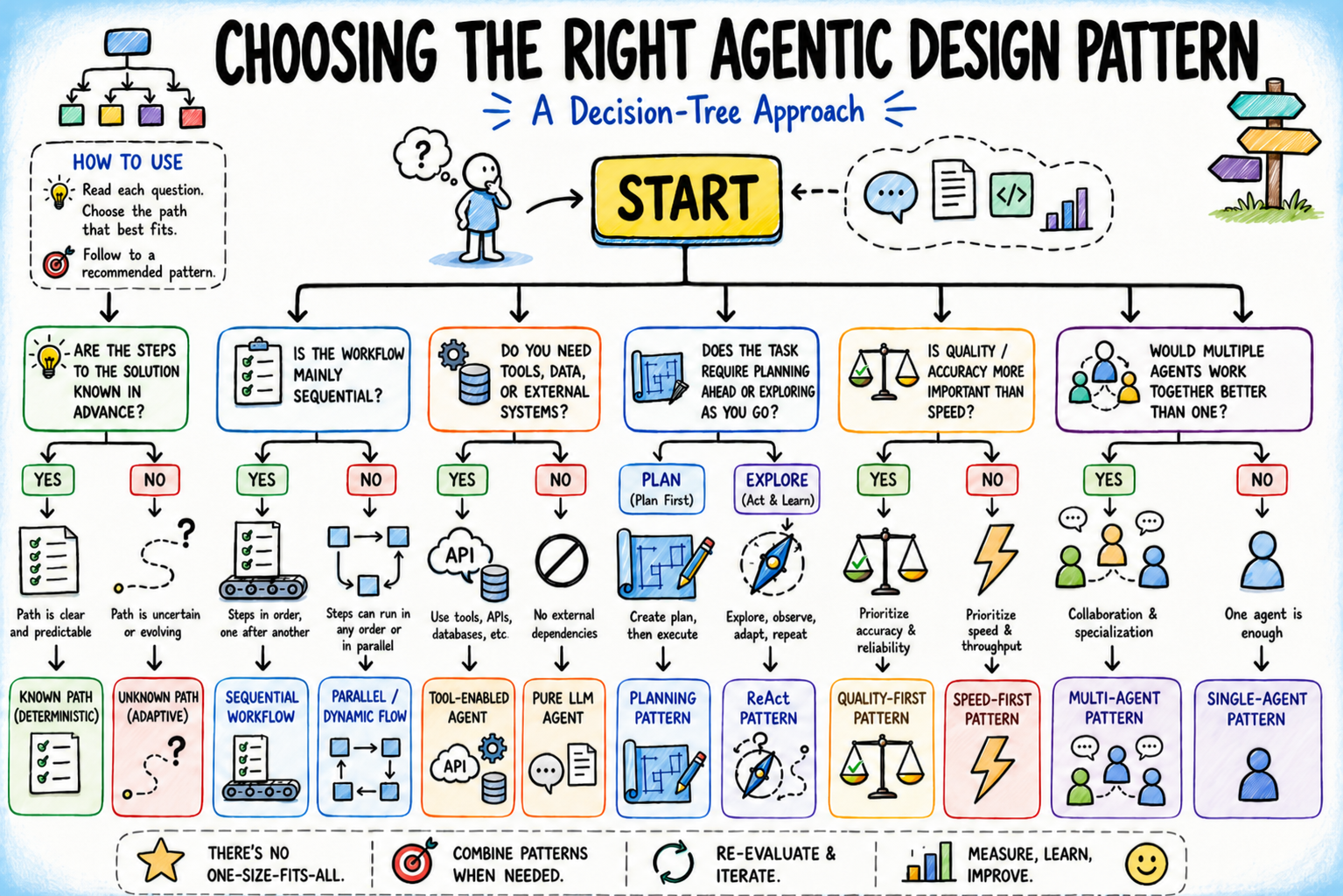
At their core, AI agents are “intelligent” software systems designed to perceive their environment, reason about it, make decisions, and execute actions independently to achieve a given goal. Unlike a simple chatbot or a script that follows predefined rules, AI agents possess:
- Autonomy: Once given an objective, they can plan, execute, and adjust their actions without constant human oversight. They can initiate steps, rather than just waiting for a prompt.
- Reasoning and Planning: They can break down complex goals into smaller, manageable sub-tasks, devise a strategy to achieve them, and even learn from past experiences to refine their approach.
- Memory: They can retain information from previous interactions and decisions, allowing them to build context and improve their performance over time.
- Tool Use: Crucially, they can interact with external tools and systems – from web browsers and email clients to CRM software and financial platforms – enabling them to operate in the real world and perform a wide range of actions.
This makes them far more flexible and powerful than their predecessors, capable of handling complex and often unpredictable scenarios that would traditionally require significant human intervention.
The Impact: Reshaping Workflows, Process Automation, and Personal Assistance
The rise of agentic AI is set to revolutionize how we work and live, with profound impacts across various domains:
1. Supercharged Workflows and Process Automation:
Traditional automation often involves rigid, rule-based systems. If an unexpected event occurs, the process grinds to a halt, awaiting human intervention. AI agents, however, bring a new level of resilience and intelligence to automation.
- Dynamic Problem Solving: In a manufacturing plant, an AI agent monitoring production lines could not only detect a fault but also diagnose the root cause, order necessary parts, schedule maintenance, and even reroute production to an alternative line – all autonomously.
- Proactive Operations: In supply chain management, an agent could monitor global events (weather, geopolitical shifts, material shortages), predict their impact on deliveries, and proactively reroute shipments or renegotiate terms with suppliers to minimize disruption.
- End-to-End Business Processes: Imagine an AI agent handling the entire customer onboarding process – from lead qualification and personalized outreach to contract generation, system access provisioning, and even initial training, adapting to each client's unique needs. This transforms customer service from reactive problem-solving to proactive, intelligent engagement.
2. The Next Generation of Personal Assistance:
Forget voice assistants that only respond to direct commands. Agentic AI is moving us towards truly intelligent companions that anticipate needs and take initiative.
- Intelligent Executive Assistants: Picture an AI agent that manages your entire professional life: scheduling complex meetings across time zones, preparing briefing documents by pulling data from multiple sources, drafting emails based on your communication style, and even analyzing your calendar to suggest strategic networking opportunities.
- Personalized Wellness Coaches: An agent could monitor your health data, suggest tailored workout routines, plan healthy meal options, order groceries, and even book appointments with specialists if it detects anomalies, all while adapting to your preferences and progress.
- Travel Concierges: Beyond just booking flights, an agent could manage your entire trip: finding local attractions based on your interests, making restaurant reservations, providing real-time traffic updates, handling check-ins, and even managing your expenses, adjusting plans instantly if there are delays or cancellations.
Beyond the Basic Chatbot: Real-World Examples in Action
While many existing "chatbots" are still relatively basic, the principles of agentic AI are already beginning to surface in more sophisticated applications:
- Autonomous Software Development: AI agents are emerging that can understand high-level development goals, break them into coding tasks, write code, debug it, test it, and even deploy it – effectively acting as an AI software engineer.
- Financial Market Analysis: Agents can continuously monitor vast streams of financial data, identify market trends, execute trades based on predefined strategies, and even manage risk portfolios with minimal human intervention.
- Advanced Customer Service Platforms: Companies like Klarna are already deploying AI-powered assistants that handle a significant portion of customer service inquiries, including processing refunds, managing returns, and addressing payment issues across multiple languages – tasks that go far beyond simple Q&A. These systems can learn from interactions and continuously improve their problem-solving capabilities.
The Road Ahead
The trend of "Agentic AI" is rapidly accelerating, driven by advancements in large language models (LLMs) and the increasing demand for truly autonomous capabilities. As these agents become more sophisticated, they will not only automate existing tasks but also enable entirely new forms of interaction and productivity.
The future isn't just about AI being a tool; it's about AI becoming an active, intelligent partner in our workflows, our businesses, and our daily lives. Understanding and embracing agentic AI will be crucial for anyone looking to navigate and thrive in this rapidly evolving landscape. Are you ready for the next evolution of automation?
Written/published by Kevin Marshall with the help of AI models (AI Quantum Intelligence)
What's Your Reaction?
 Like
0
Like
0
 Dislike
0
Dislike
0
 Love
0
Love
0
 Funny
0
Funny
0
 Angry
1
Angry
1
 Sad
0
Sad
0
 Wow
0
Wow
0