








The Rise of Autonomous AI Agents: How AI, Robotics, and IoT Are Creating Self-Directed Systems
Discover how Agentic AI—autonomous systems that plan, act, and adapt—is reshaping industries in 2025. Explore the convergence of AI, robotics, IoT, and data science driving this revolution in healthcare, logistics, smart cities, and more.
Agentic AI: The Autonomous Future Reshaping Industries in 2025
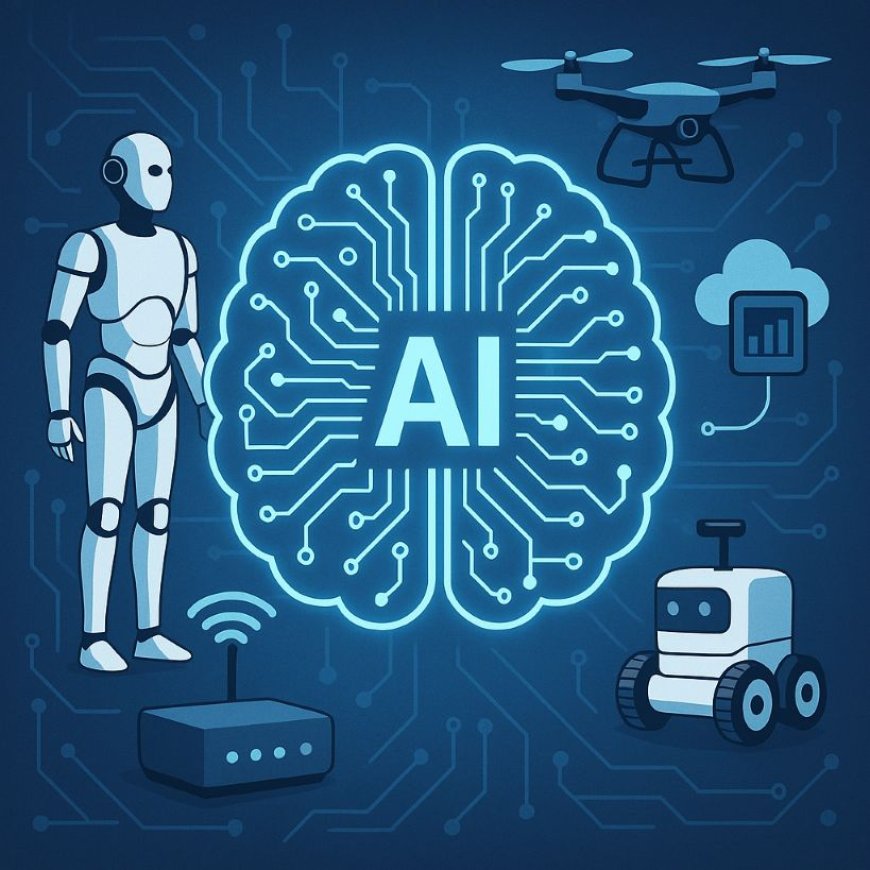
In 2025, artificial intelligence is no longer just about prediction and automation—it’s about agency. Agentic AI, systems that can plan, act, and adapt with minimal human intervention, are transforming industries at an unprecedented pace. These AI agents don’t just follow scripts; they make decisions, collaborate with other agents, and learn from real-world interactions—ushering in a new era of intelligent autonomy.

Why Agentic AI Is the Hottest Trend of 2025
The convergence of AI, machine learning, robotics, IoT, and data science has unlocked capabilities once confined to science fiction. Here’s why agentic AI is dominating discussions:
1. AI Agents Can Chain Tasks and Make Decisions
Gone are the days of single-task AI models. Today’s AI agents can:
- Orchestrate multi-step workflows (e.g., an AI sales agent researching leads, drafting emails, and scheduling follow-ups).
- Collaborate with other agents (e.g., supply chain bots negotiating inventory transfers autonomously).
- Adapt on the fly when faced with unexpected scenarios, thanks to reinforcement learning and real-time analytics.
2. Robotics Is Evolving Beyond Repetitive Tasks
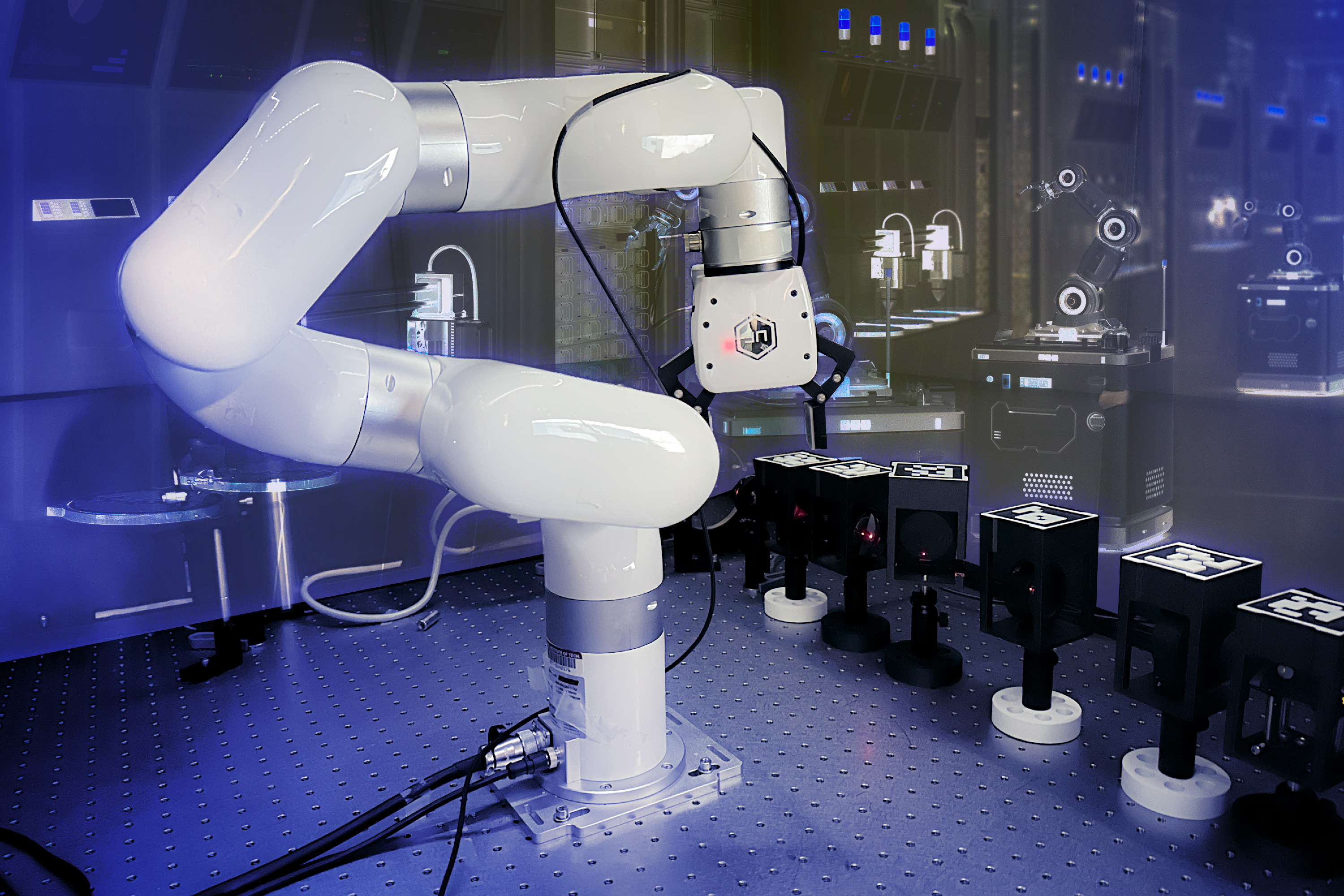
Robots are no longer just arms on an assembly line. In manufacturing, logistics, and healthcare, they now:
- Autonomously navigate dynamic environments (e.g., warehouse robots rerouting around obstacles).
- Make judgment calls (e.g., surgical robots adjusting techniques based on real-time patient data).
- Self-optimize by learning from failures without human reprogramming.
3. IoT Is Feeding Real-Time Intelligence to AI Agents
With billions of IoT sensors streaming data, agentic AI has the context to act intelligently:
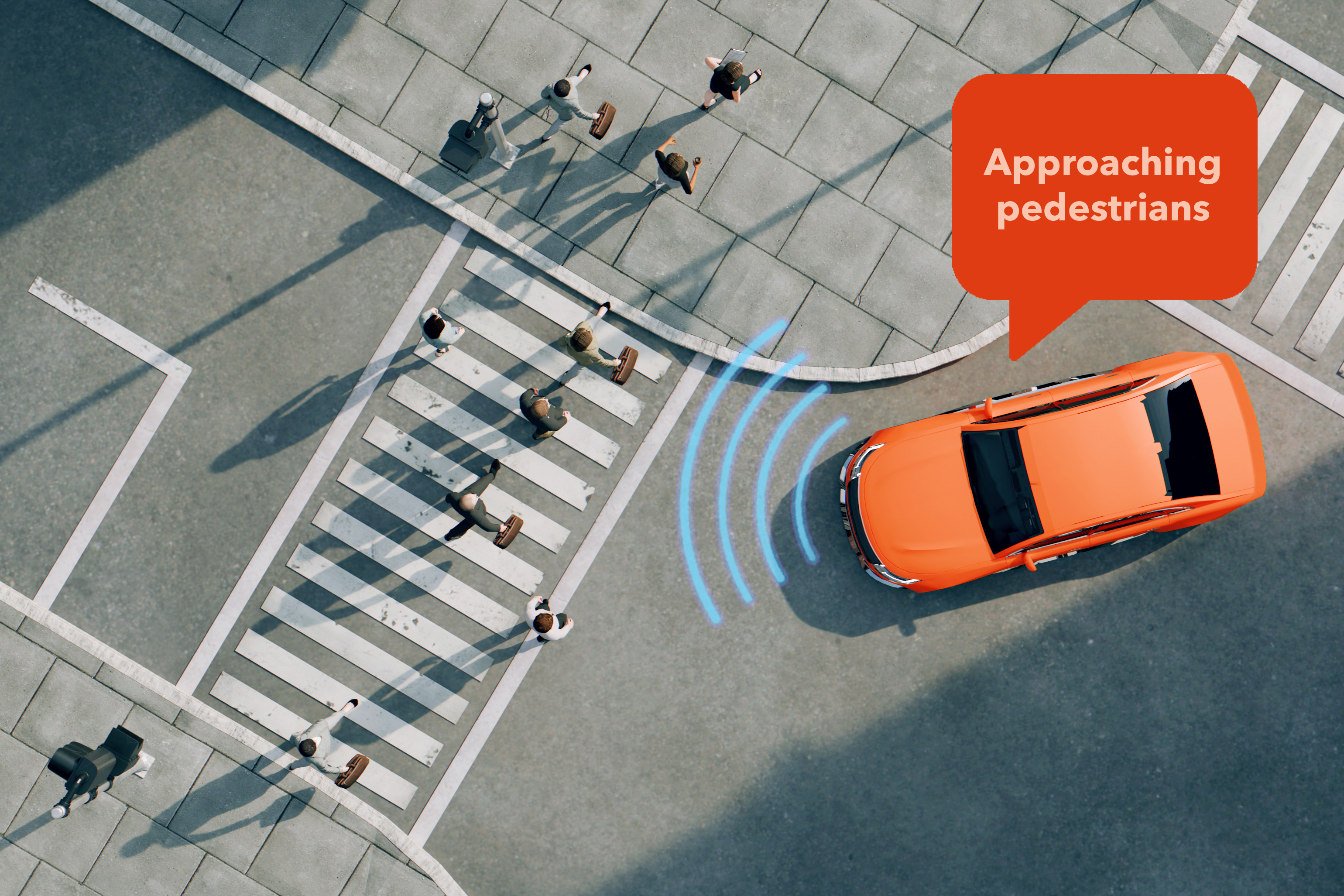
- Smart cities use AI agents to optimize traffic lights, predict maintenance needs, and manage energy grids.
- Industrial IoT enables predictive maintenance where AI agents order replacement parts before machines fail.
- Wearables and health monitors allow AI to provide personalized medical recommendations in real time.
4. Data Science Powers Continuous Learning
Agentic AI thrives on feedback loops:
- Predictive analytics help agents anticipate problems before they arise.
- Simulated environments allow AI to train in millions of virtual scenarios before real-world deployment.
- Federated learning enables agents to improve collectively without sharing sensitive data.
5. Machine Learning Models Handle Dynamic, Uncertain Environments
Earlier AI struggled with unpredictability—today’s models are built for it:
- Meta-learning helps agents adapt quickly to new tasks with minimal data.
- Neuro-symbolic AI combines deep learning with logic-based reasoning for better decision-making.
- Generative AI assists in scenario planning, helping agents simulate outcomes before acting.
Industries Being Transformed by Agentic AI
Manufacturing & Logistics
- Self-optimizing factories where AI agents manage production schedules, detect defects, and reroute supply chains.
- Autonomous delivery networks with drones and robots coordinating last-mile logistics.
Healthcare
- AI diagnosticians that cross-reference patient history, lab results, and research to suggest treatments.
- Robot-assisted surgery with real-time adaptive precision.
Smart Cities & Infrastructure
- Autonomous traffic management reducing congestion and emissions.
- AI-driven energy grids balancing renewable sources dynamically.
Business & Customer Service
- AI agents handling complex customer inquiries without human oversight.
- Autonomous financial advisors managing portfolios based on market shifts.
The Future: AI as a Collaborative Partner
Agentic AI isn’t about replacing humans (we hope) —it’s about augmenting human potential. As these systems grow more sophisticated, we’ll see:
- Human-AI teaming, where agents handle routine work while humans focus on creativity and strategy.
- Self-improving AI ecosystems, where agents share knowledge across networks.
- Ethical and regulatory frameworks ensuring safe, transparent AI autonomy.
Conclusion: The Age of Autonomous AI Is Here
2025 marks a turning point—AI is no longer just a tool but an active, decision-making partner. Businesses that embrace agentic AI will gain unmatched efficiency, adaptability, and innovation. The question isn’t whether to adopt this technology, but how quickly it can be integrated.
Are you ready for the agentic revolution? Comment below.
Written/published by Kevin Marshall with the help of AI models (AI Quantum Intelligence)
What's Your Reaction?
 Like
0
Like
0
 Dislike
0
Dislike
0
 Love
0
Love
0
 Funny
0
Funny
0
 Angry
0
Angry
0
 Sad
0
Sad
0
 Wow
0
Wow
0